
Quantum Hardware
Cryogenic mounts, RF cavity housings, qubit chip carriers and vacuum chamber parts, machined to ±0.005 mm on critical features. Every order gets an engineering review for cryogenic, magnetic and vacuum requirements.
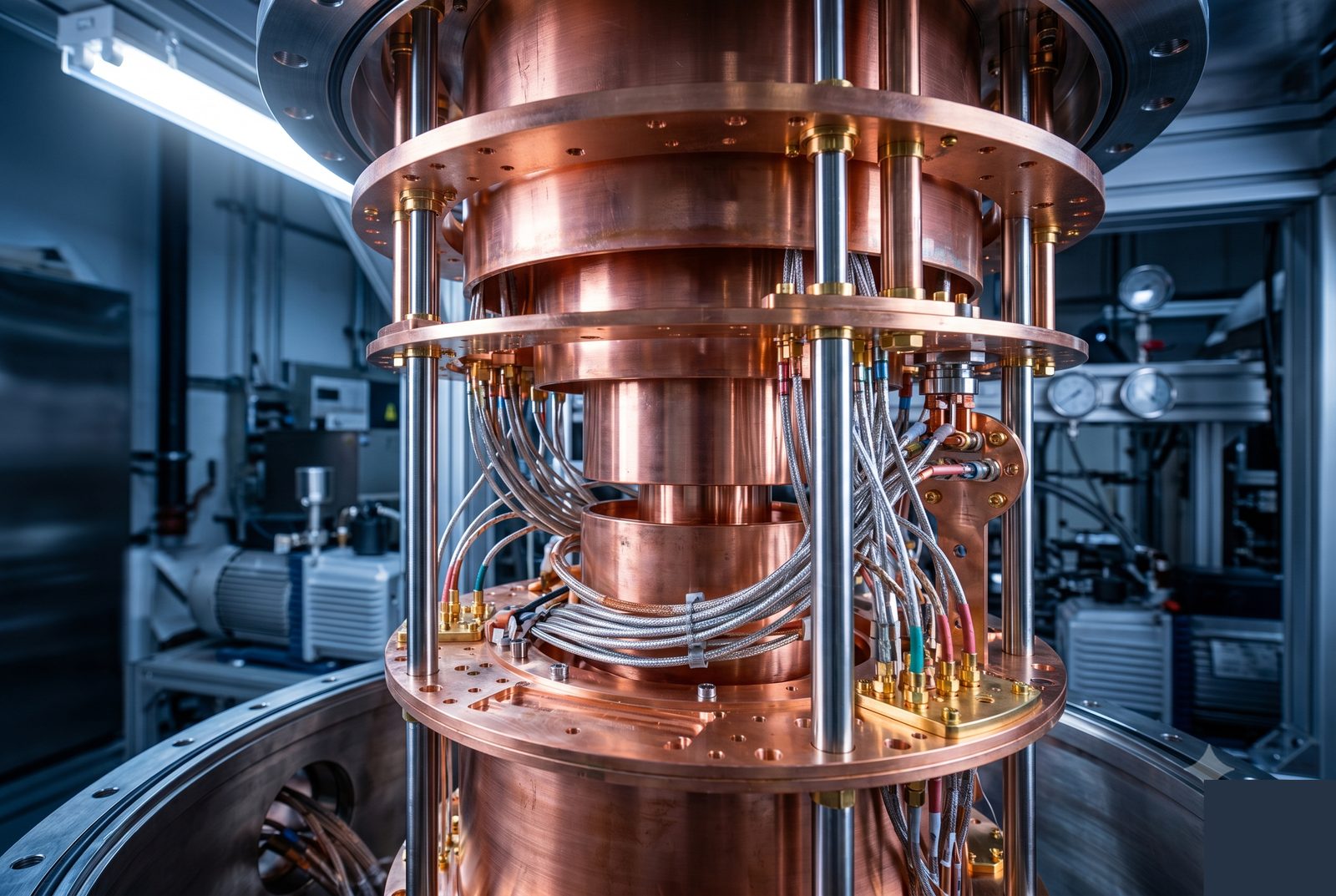
Quantum Hardware Components, Built to Spec
Each card gives the tolerance, material and finish these parts usually carry. Parts that are not listed are reviewed and quoted the same way.
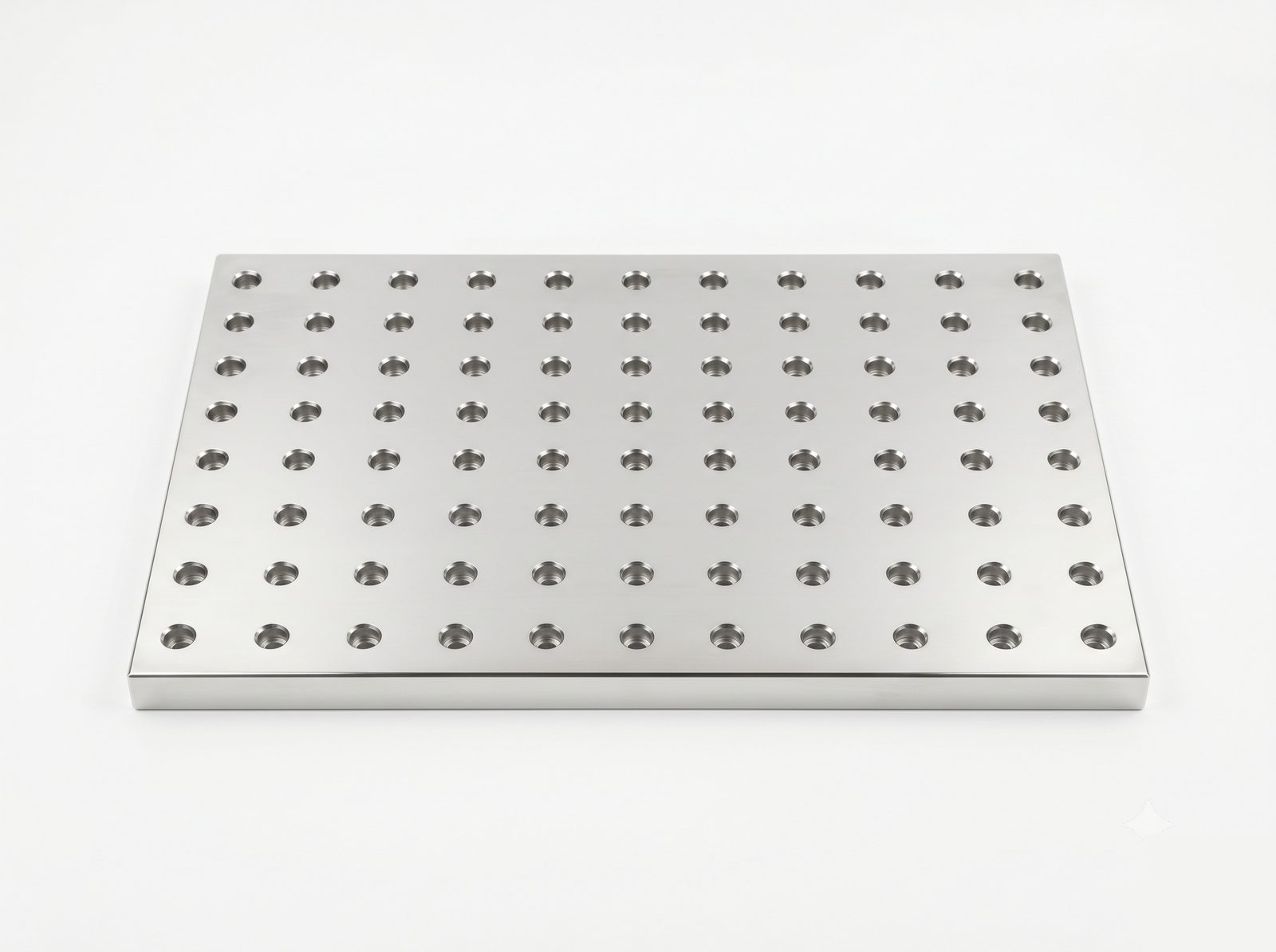
Dilution Fridge Mounting Plates
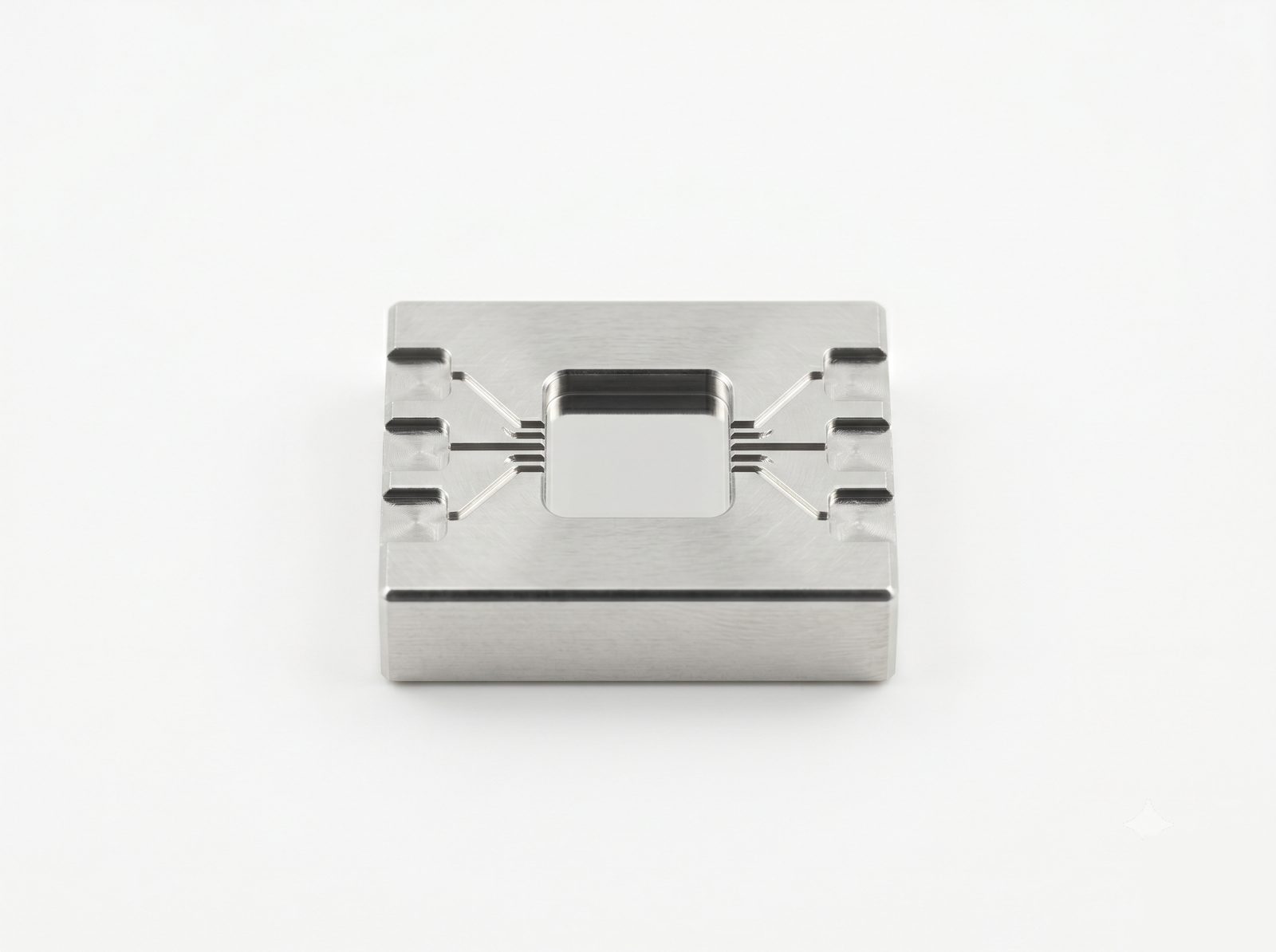
Qubit Chip Carriers
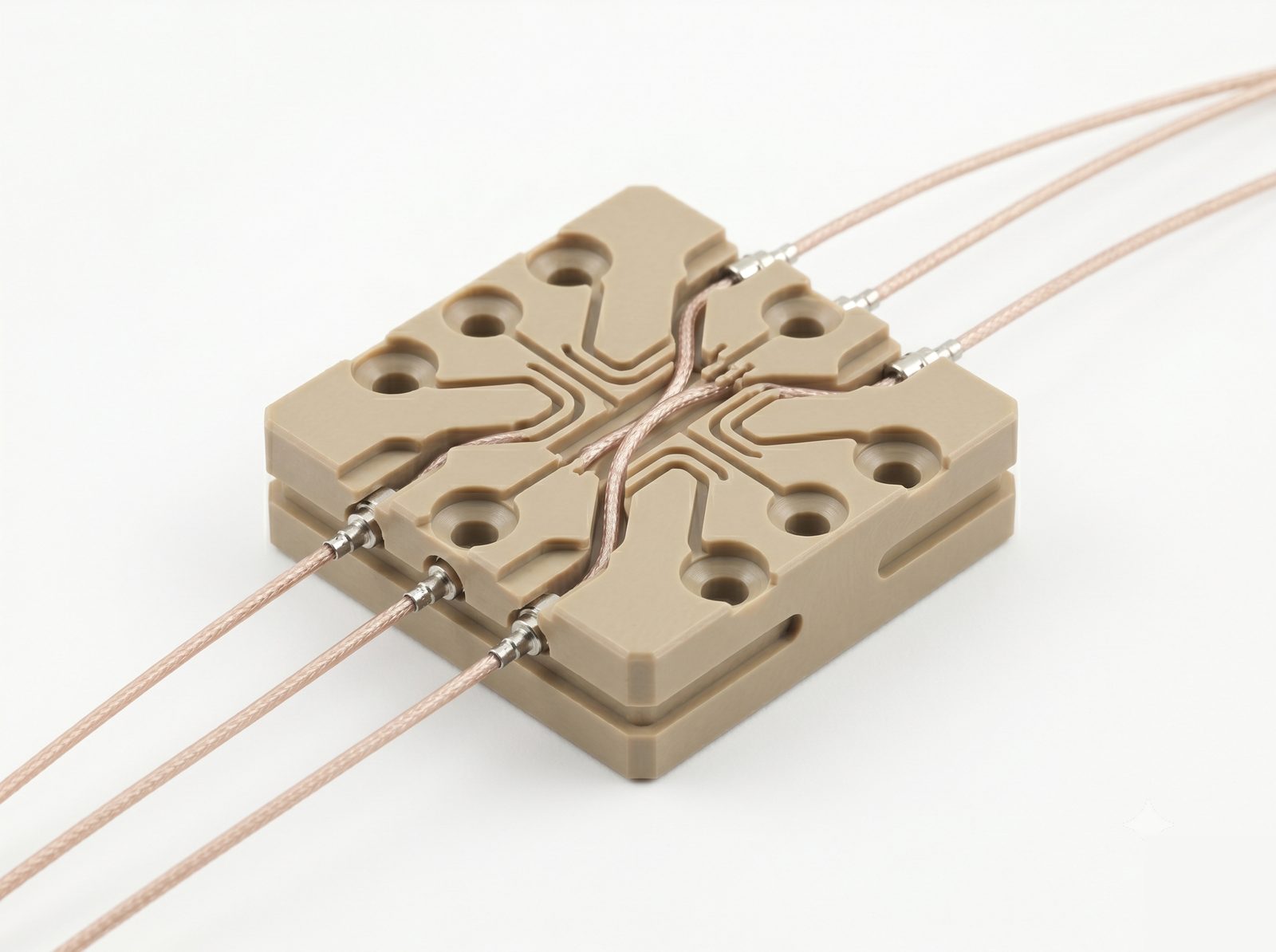
Cryogenic Wiring Fixtures
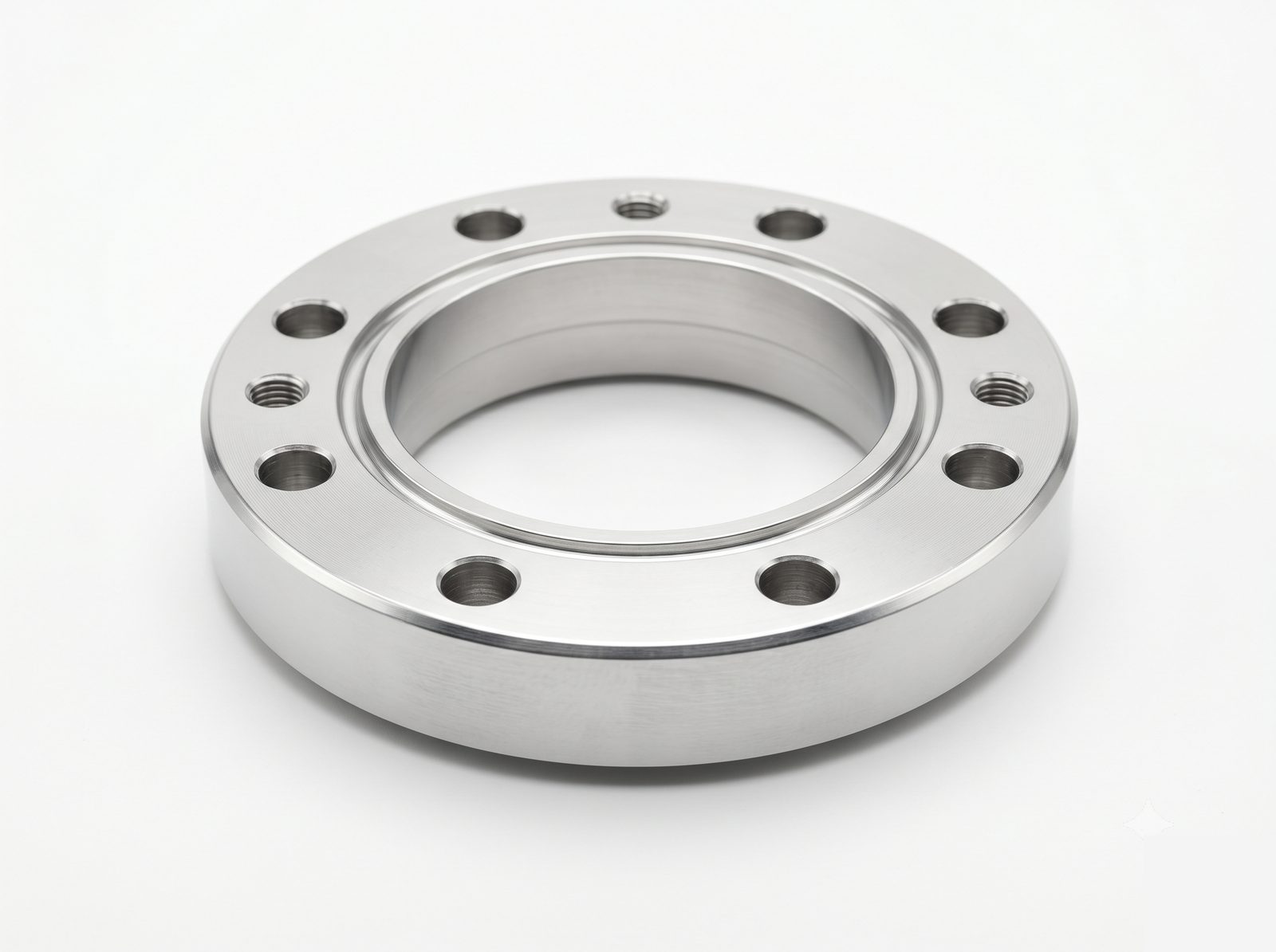
Vacuum Chamber Components
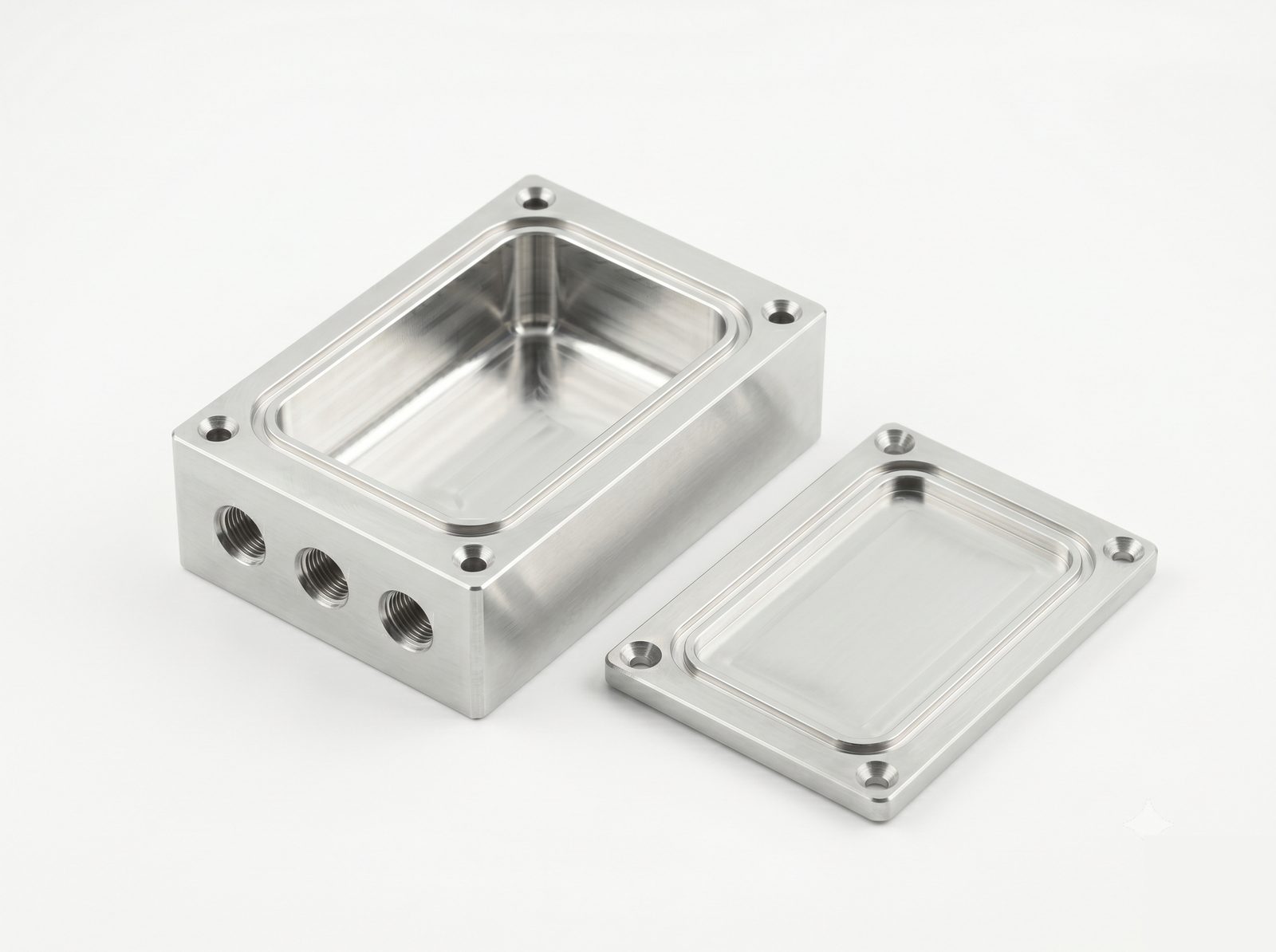
RF Cavity Housings
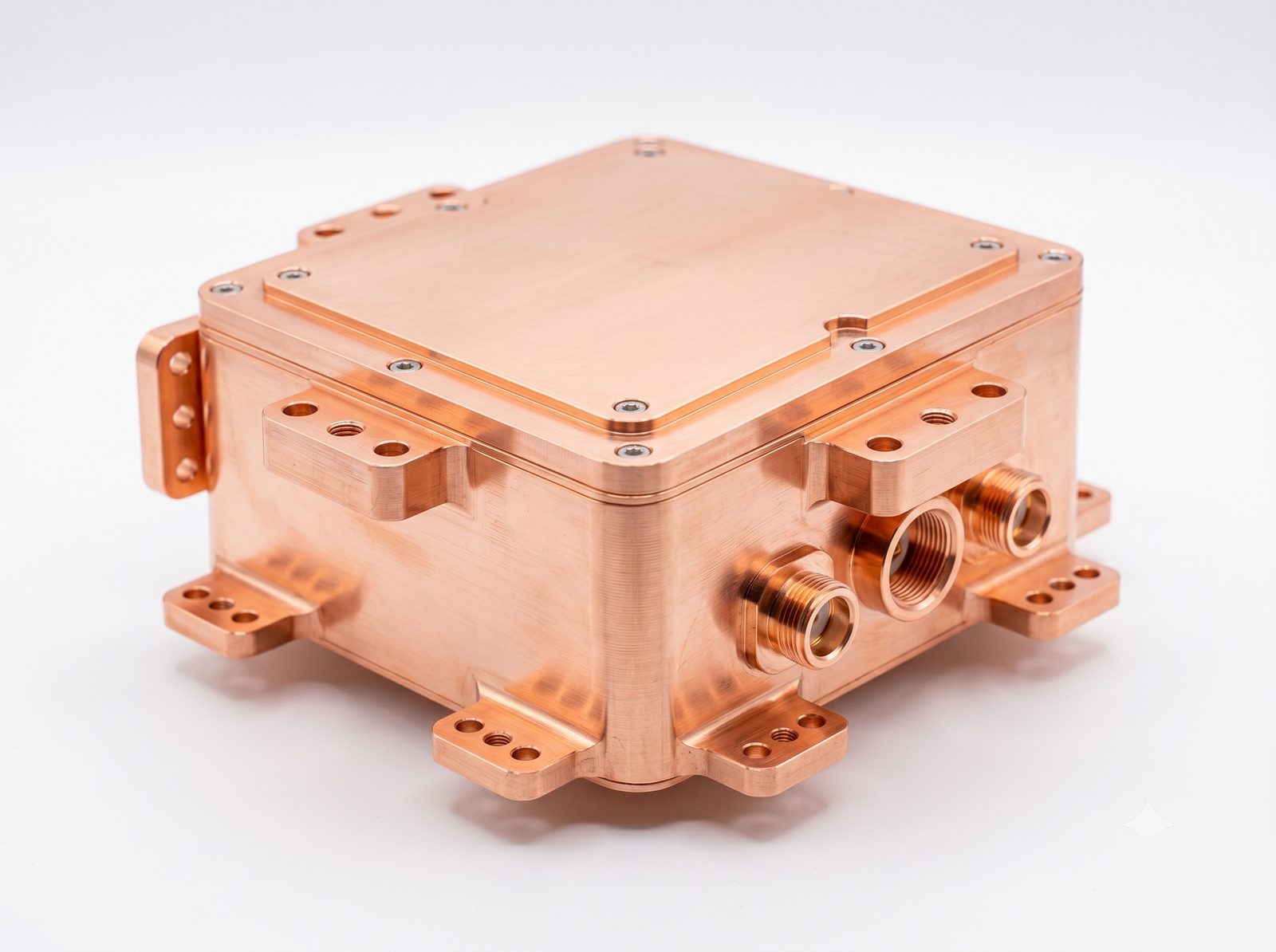
Microwave Shielding Enclosures
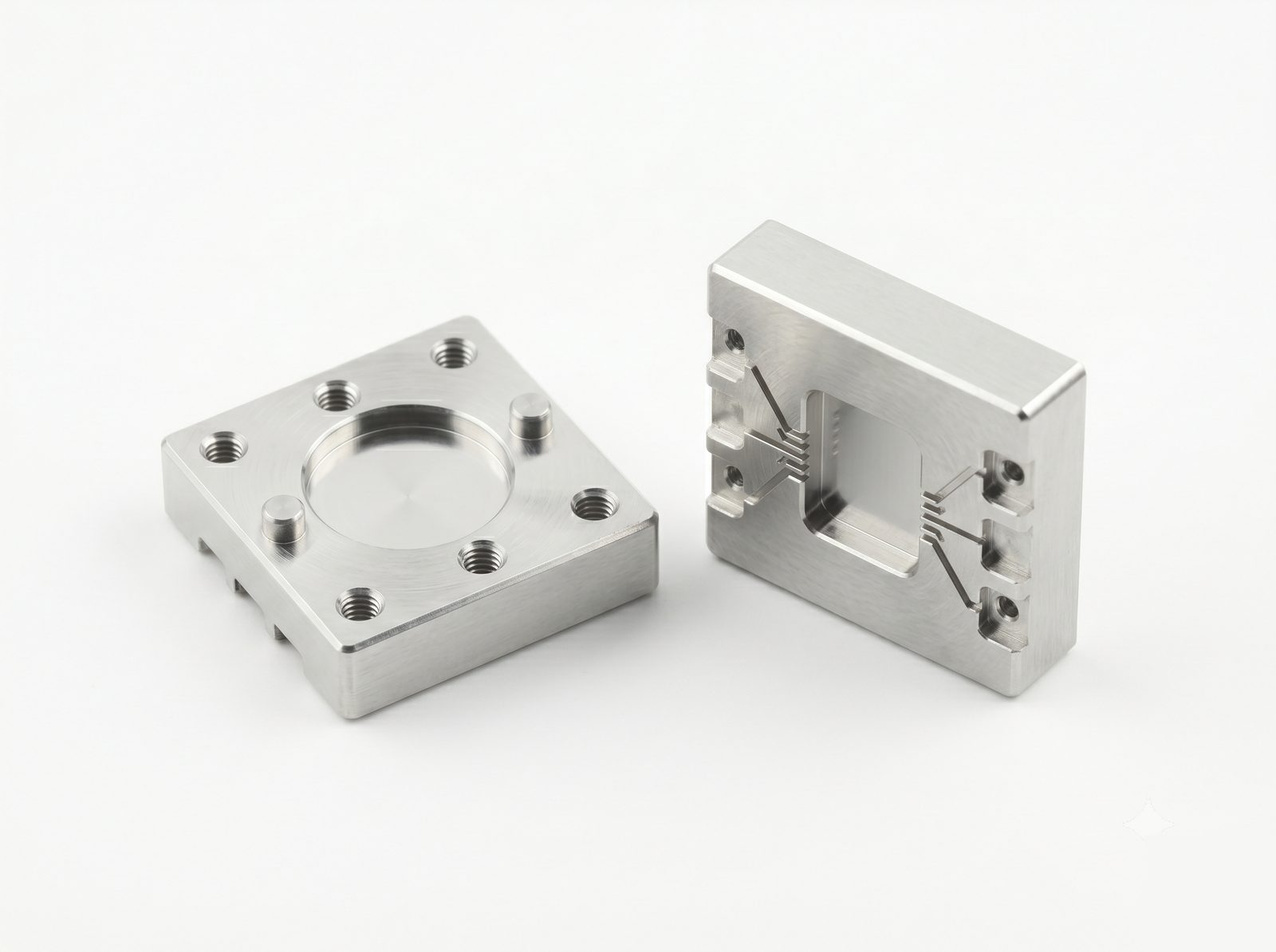
Sample Holders and Stage Inserts
Custom Quantum Hardware
Ion trap electrode housings, optical alignment fixtures and photonic chip carriers. Upload a STEP file and an engineer will review and quote it within 24 to 48 hours.
Upload for Review →Problems We Prevent
A general machine shop treats a cryogenic mount like any other bracket. These are the three mistakes that follow most often.
Thermal Contraction
Parts machined at room temperature move out of spec at millikelvin.
Aluminium contracts roughly 4 mm per metre between 300 K and 4 K. A supplier who ignores this delivers parts that fit on the bench and fail in the fridge.
Material choice and dimensional allowances for contraction are reviewed during DFM, before manufacture.
Magnetic Contamination
Standard alloys add magnetic noise that destroys qubit coherence.
Superconducting and trapped-ion qubits are very sensitive to stray magnetic fields. Standard stainless grades, tooling residue and the wrong plating are all sources that most shops never consider.
High-susceptibility materials are flagged and low-susceptibility alternatives specified during DFM.
UHV Incompatibility
Standard lubricants and surface treatments contaminate ultra-high vacuum.
Parts that look clean on arrival outgas in vacuum and raise chamber pressure by orders of magnitude. Standard anodize is porous and traps volatiles, and electropolish is not the same as standard polish.
Electropolish, vacuum bake and UHV-compatible treatments are specified on every quantum order.
How a Quantum Hardware Order Works
Each order gets a quantum-specific review before any cutting starts, and the documents ship with the parts.
- 1Quote in 24 to 48 hoursUpload a STEP File and Drawing
STEP, IGES or a 2D drawing. Include the operating temperature range, surface finish callouts and any assembly context. An NDA is available on request.
- 2Quantum DFM Review
Beyond machinability, your engineer checks material selection, thermal contraction allowances, magnetic susceptibility and UHV compatibility. Issues are raised before cutting starts.
- 3Material and Finish Confirmed
Alloy grade, surface finish type (electropolish or standard), vacuum bake requirements and any plating spec are confirmed and written into the work order before the order is confirmed.
- 4Manufacture and In-Process QC
5-axis CNC machining with in-process dimensional checks and CMM inspection of critical features. Surface finish and electropolish quality are verified at the supplier, before the parts ship.
- 512 days standardDelivery with Documentation
A dimensional inspection report, material certificate (EN 10204 3.1), surface finish confirmation and Certificate of Conformance ship with every order, tracked to your door.
Results
- Maybell Quantum
- Atomionics
- Squareroot8
- Quantinuum
- Centre for Quantum Technologies
- SpeQtral
"Finding a supplier who understands cryogenic hardware, not just CNC machining, made a real difference. Factorem's engineering review caught a material choice that would have caused issues at operating temperature."
- ISO 9001:2015 quality management
- RoHS and REACH compliance available
- EN 10204 3.1 material certs on request
Frequently Asked Questions
If your question is not here, an engineer can answer it directly.
Can you manufacture parts for dilution refrigerators?
Yes: cryogenic mounting plates, thermal shield components, wiring fixtures and mixing chamber hardware. Engineers review material selection for cryogenic thermal contraction during DFM, before manufacture.
What tolerances can you achieve for cryogenic quantum hardware?
±0.005 mm on critical features. Dimensional allowances for contraction down to millikelvin temperatures are reviewed during DFM, so the part fits at operating temperature as well as at room temperature.
Do you understand UHV and outgassing requirements?
Yes. Electropolish, vacuum bake requirements and UHV-compatible surface treatments are specified on every quantum hardware order. Lubricants and porous anodize types that outgas are flagged and replaced during DFM.
What materials do you use for cryogenic quantum hardware?
AL 6061, OFHC (oxygen-free high-conductivity) copper for thermal conductivity, SS 316L for vacuum chambers, PEEK for low-conductivity wiring fixtures and mu-metal for magnetic shielding. Materials with high magnetic susceptibility are flagged during DFM.
Can you manufacture RF cavity housings and ion trap components?
Yes: RF cavity housings, microwave shielding enclosures and precision housings for ion trap systems. Engineers review cavity dimensions, surface finish and UHV compatibility during DFM, before production.
What documentation ships with quantum hardware orders?
Every order ships with a dimensional inspection report, material certificate (EN 10204 3.1), surface finish confirmation and Certificate of Conformance. First Article Inspection reports are available on request.
Source Your Next Quantum Hardware Component
Upload a STEP file with the operating temperature range. An engineer reviews thermal contraction, magnetic susceptibility and UHV compatibility, and the quote arrives in 24 to 48 hours.
