
Surface Treatment
Anodizing, chromate, electroless nickel, passivation, powder coat and paint on machined and sheet metal parts, to MIL, AMS and ASTM standards. Finishing is quoted with the part as one order and ships with a certificate of conformance.
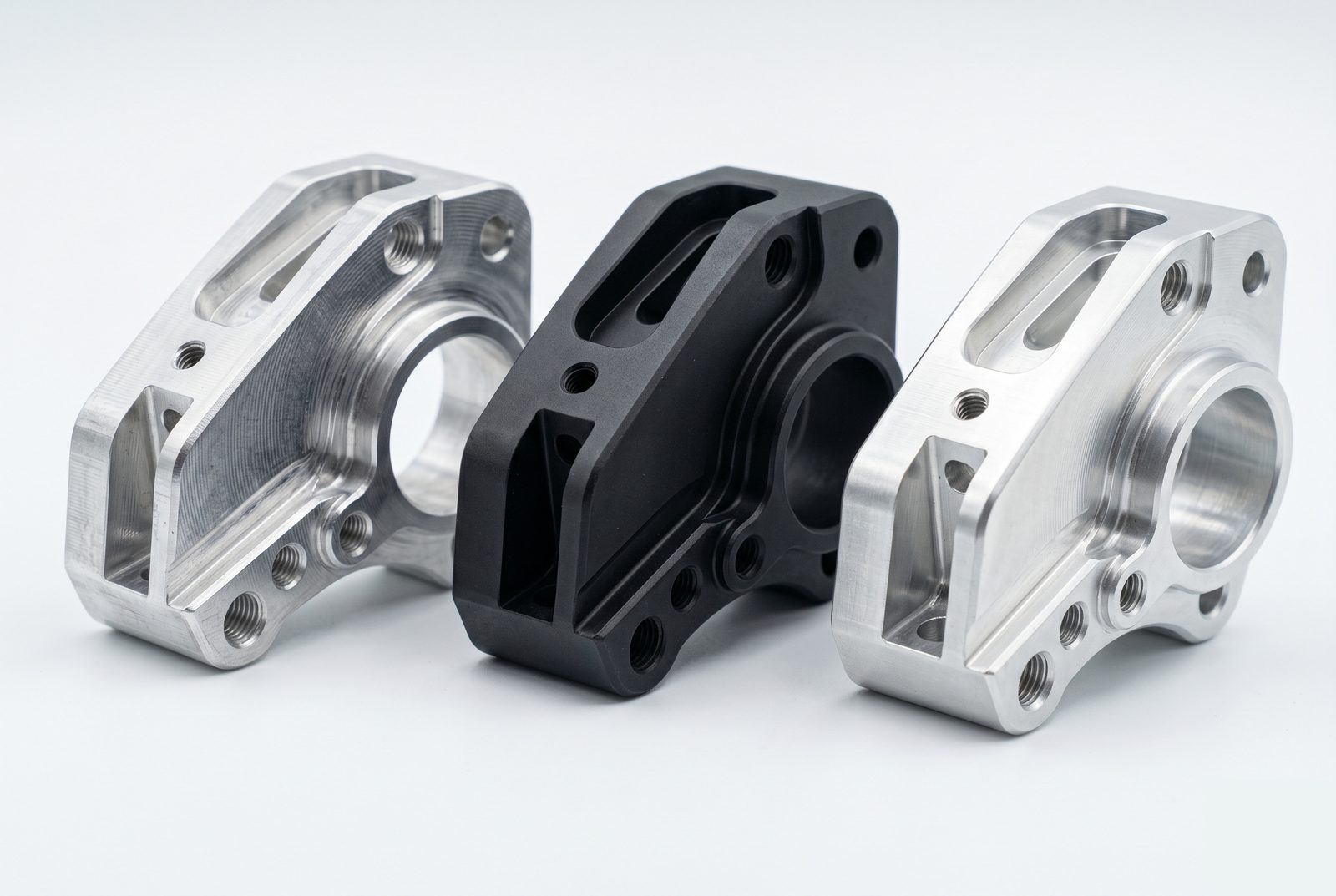
Specifications
Typical parameters. Confirm your standard and material with an engineer before you order.
Treatments
Treatments we apply regularly. An engineer reviews unusual alloys, non-standard specs and combined treatments, and most can be accommodated.
| Treatment | Substrate | Standard | Notes |
|---|---|---|---|
| Anodize, Type II | Aluminium | MIL-A-8625 | Corrosion protection. Clear, black or colour dye |
| Hard Anodize, Type III | Aluminium | MIL-A-8625 | Wear resistance for high-cycle parts |
| Chromate Conversion (Alodine) | Aluminium | MIL-DTL-5541 | Stays electrically conductive, unlike anodize. Thin film with minimal dimensional impact. Class 1A for maximum protection, Class 3 for low resistance |
| Electroless Nickel | Aluminium, steel, copper alloys | AMS 2404, ASTM B733 | Uniform deposit on all surfaces, including internal bores. High-phos for corrosion resistance, mid-phos for general use |
| Passivation | Stainless steel | ASTM A380, A967 | Restores the chromium oxide layer and removes surface contamination, with no dimensional change. Used on medical, vacuum and food-grade parts |
| Powder Coat and Liquid Paint | All metals | None | Powder coat is a durable decorative finish in RAL colours. Liquid paint suits complex geometry or colour matching. Used on enclosures, frames and structural panels |
Bead blast, vibratory deburring, black oxide, gold plating, PTFE, Parylene and most other treatments can also be sourced.
Finishes on Real Parts
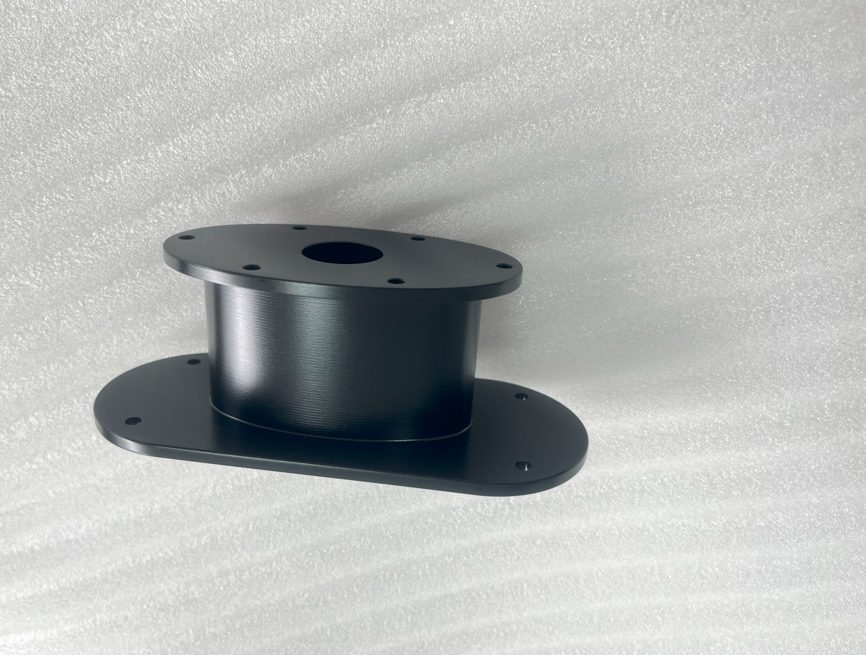
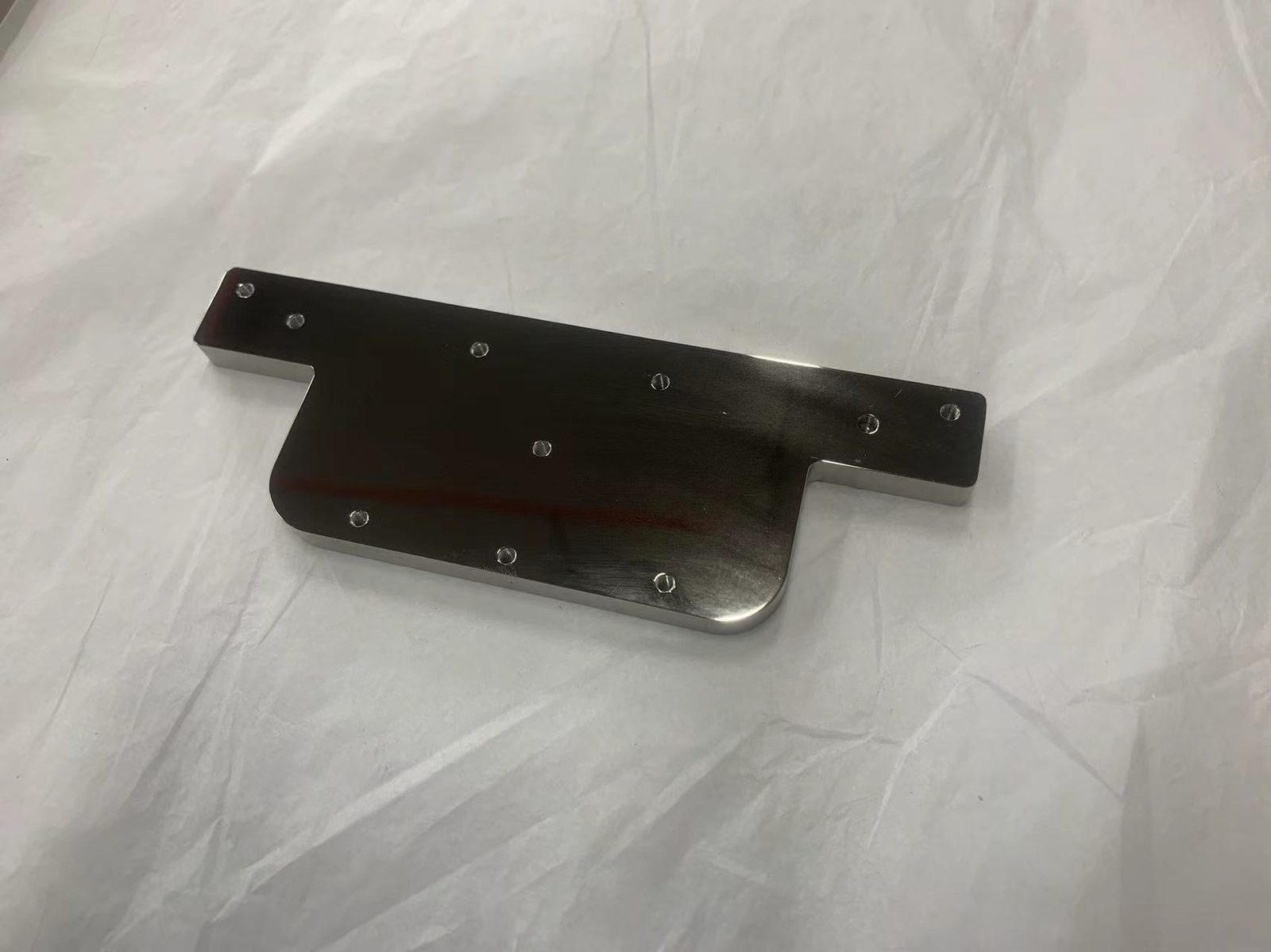
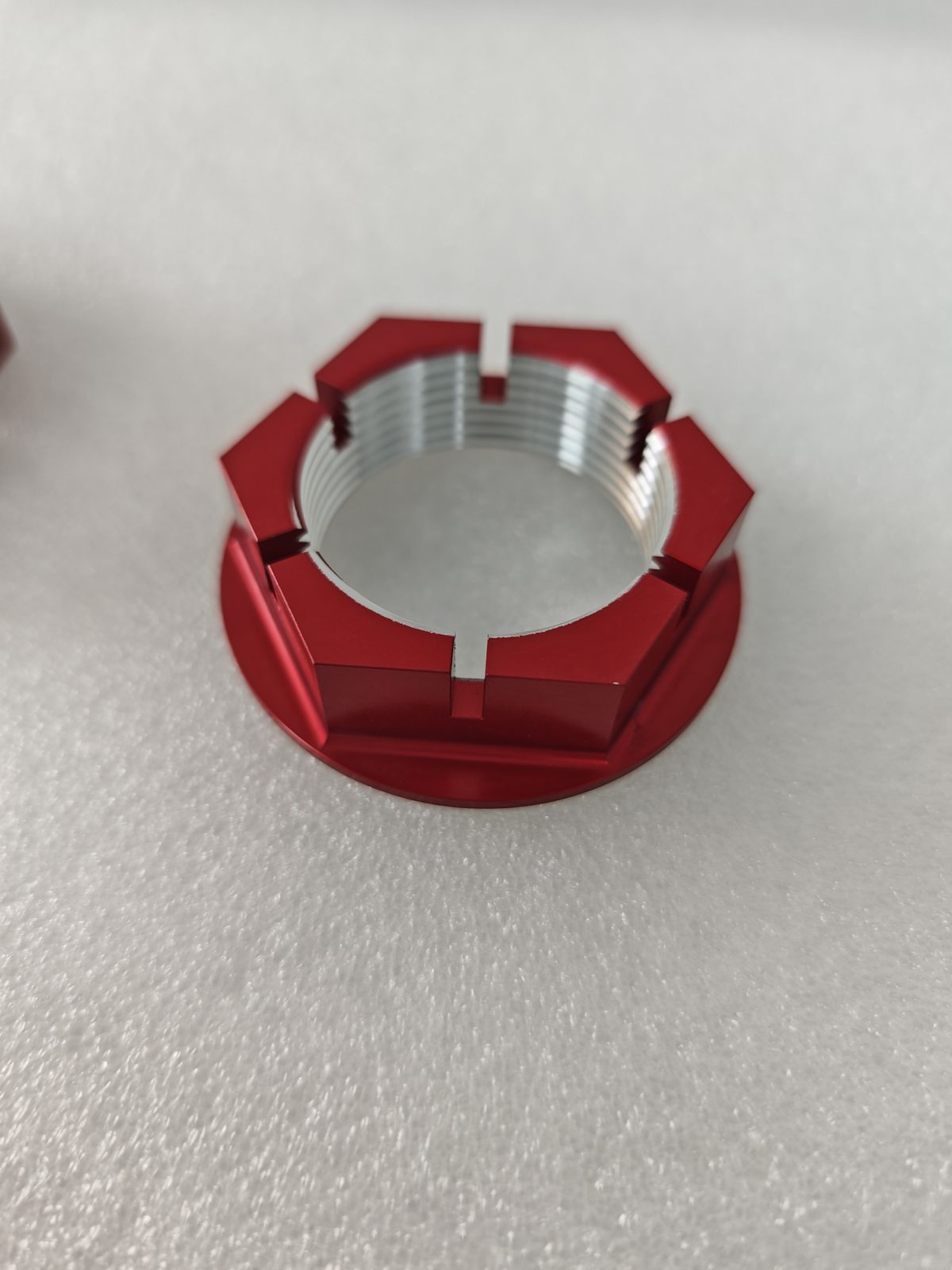
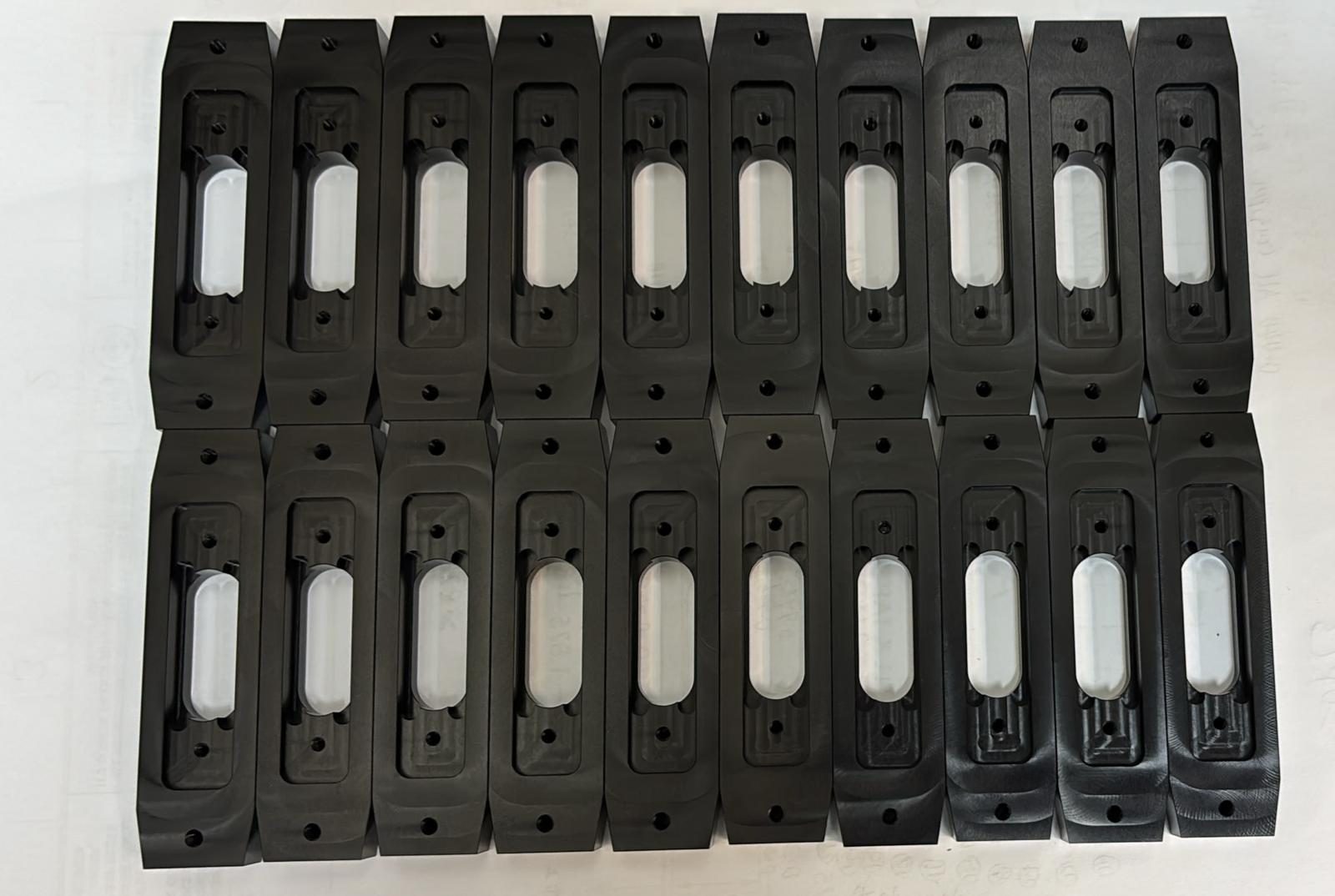
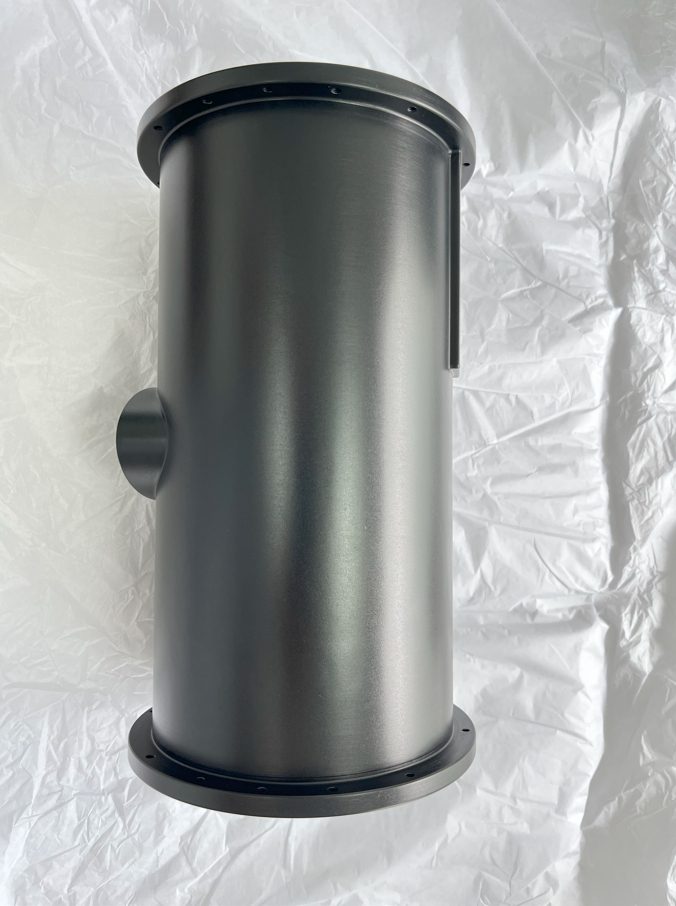
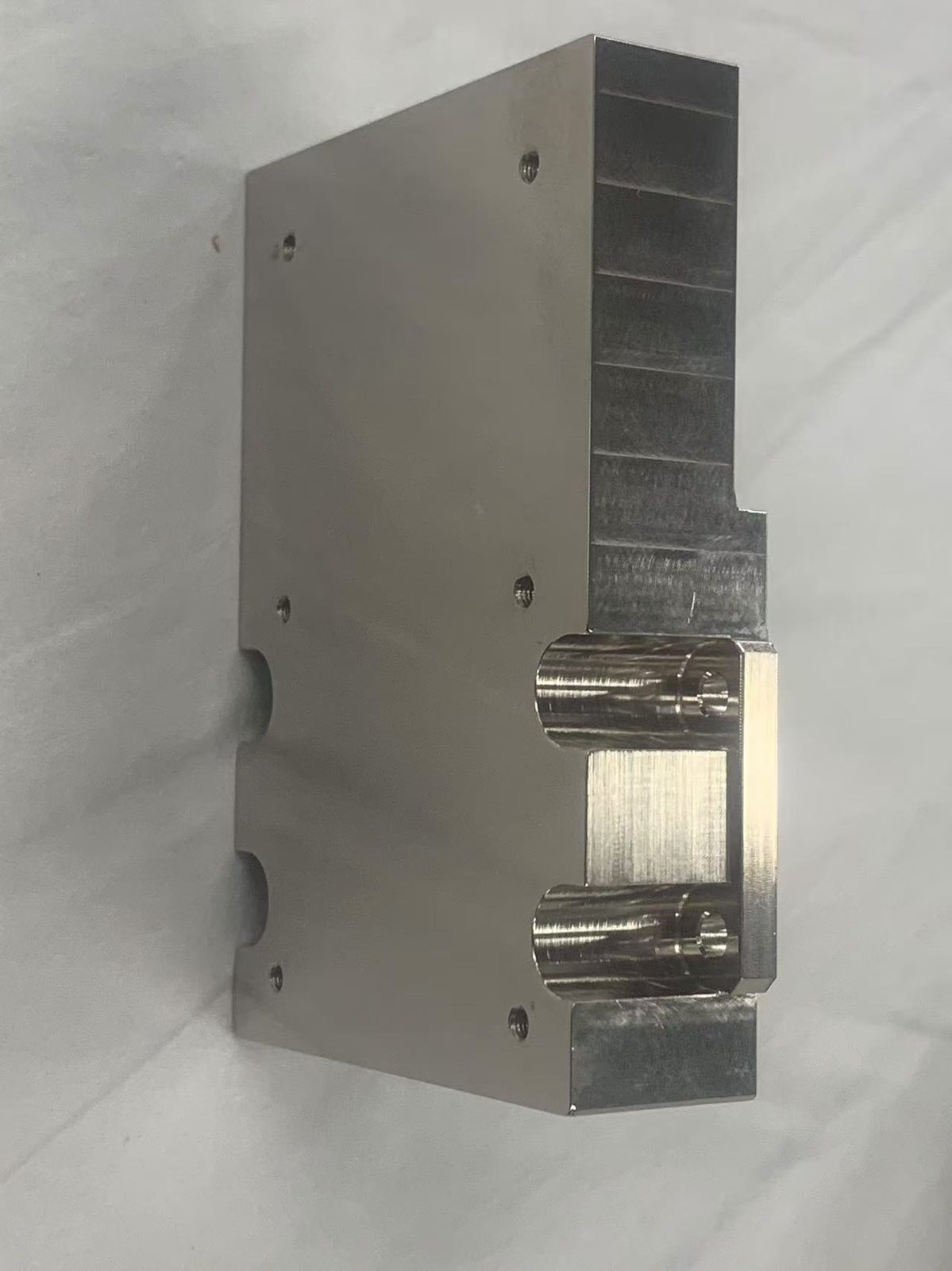
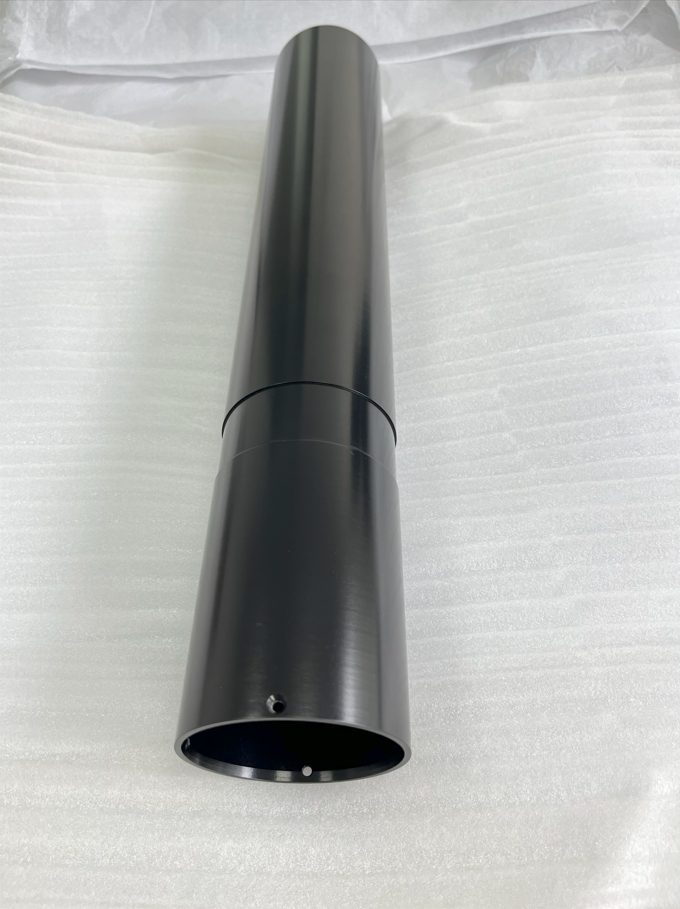
Machined parts after finishing. Each caption gives the material, finish and industry.

Design Rules
Check these four points before you finalise the drawing. The DFM review covers them too.
Masking
Mark threads, precision bores and sealing faces that must stay as machined, for example "mask M5 holes".
Leaving masking off the drawing. The DFM review flags features that likely need it, but a note up front saves time.
Surface Finish
Machine to Ra 0.8 µm or better before decorative anodize or bright plating, and put the finish on the drawing.
Relying on the coating to hide machining marks. It follows the surface underneath.
Coating Buildup
Machine tight-tolerance features to pre-treatment size and give post-treatment dimensions on the drawing. We work back from those.
Ignoring buildup. Type II anodize adds about 5 to 25 µm per surface, Type III up to 38 µm and electroless nickel up to 50 µm.
Alloy Choice
Call out the alloy on the drawing. 6061 and 7075 anodize well, and we will flag any process limits.
Expecting every alloy to finish the same. 2024 varies, and cast alloys typically cannot be hard anodized to a cosmetic standard.
From Upload to Delivery
Machining and finishing are quoted and run as one order. The finishing step takes 3 to 7 days.

Specify the Treatment
Put the finish spec on the drawing, for example "Anodize per MIL-A-8625 Type III, 25 µm, black", with the alloy and any masking. Upload it with your STEP or DXF file.

DFM Review and Quote
An engineer confirms the treatment suits the alloy and flags tight-tolerance features that need masking or adjusted pre-treatment dimensions. One fixed price covers machining and finishing. Confirm the standard, class, colour and masking before production starts.
Machine, Pre-Treat, Coat
Parts are machined to pre-treatment dimensions, cleaned, etched and activated, then treated to spec.

Coating Inspection
Coating thickness and appearance are checked before release, and first articles are inspected against your drawing.

Documents and Shipping
Every order has a certificate of conformance to the treatment standard and ships tracked with a full handover pack. Coating thickness reports and process certifications are available on request.
What Ships with the Parts
- Certificate of conformanceEvery order
- Coating thickness reportOn request
- Process certificationsOn request
- Quality documentation packAerospace and defence programs
Start with Your CAD File
Put the finish spec on the drawing, with the alloy and any masking.
Upload CAD for a QuoteIndustries
Finishing also goes onto medical device components, semiconductor tooling, cleanroom fixtures and industrial automation parts.
Frequently Asked Questions
If your question is not here, an engineer can answer it directly.
What surface treatments do you offer?
Anodizing (Type II and Type III hard coat), chromate conversion (Alodine or Iridite), electroless nickel, passivation, powder coat, liquid paint, bead blasting and vibratory deburring. Most machined and sheet metal orders can be finished in the same workflow. Most processes not listed can be sourced through the supplier network.
What is the difference between Type II and Type III anodizing?
Type II (sulphuric) anodize is a thin 5 to 25 µm oxide layer for general corrosion resistance, and it can be dyed. Type III (hard anodize) is a thicker, harder 25 to 75 µm layer for sliding surfaces, wear pads and high-cycle parts. Type III has a bigger effect on tight-tolerance features, and the DFM review flags them before processing.
Does anodizing change my part dimensions?
Yes. The layer grows roughly half into the aluminium and half out of it. Type II adds about 5 to 25 µm per surface and Type III 12 to 38 µm. Tight-tolerance bores, threads and mating features need to allow for this. Mark critical features on the drawing and we will advise on pre-anodize dimensions.
Can you mask threads and precision bores before anodizing?
Yes. Threaded holes, precision bores and sealing surfaces can be masked before anodizing or plating to hold their dimensions. Give the masking on the drawing or in the order notes. The DFM review flags critical features and confirms the masking plan before processing.
What substrates can you chromate (Alodine)?
Aluminium alloys. Chromate conversion to MIL-DTL-5541 protects against corrosion and, unlike anodize, leaves the surface electrically conductive. Class 1A gives maximum corrosion protection and Class 3 gives low electrical resistance. Both are available.
What documents come with surface-treated parts?
A certificate of conformance to the specified standard, for example MIL-A-8625 for anodize, MIL-DTL-5541 for chromate or ASTM A380 for passivation. Coating thickness test reports and process certifications are available on request, and aerospace and defence programs can have a full quality documentation pack.
Price a Finished Part
Factorem has made parts for 300+ engineering teams, with 98% of orders delivered on time and 99% of parts accepted.
