
Re-engineering
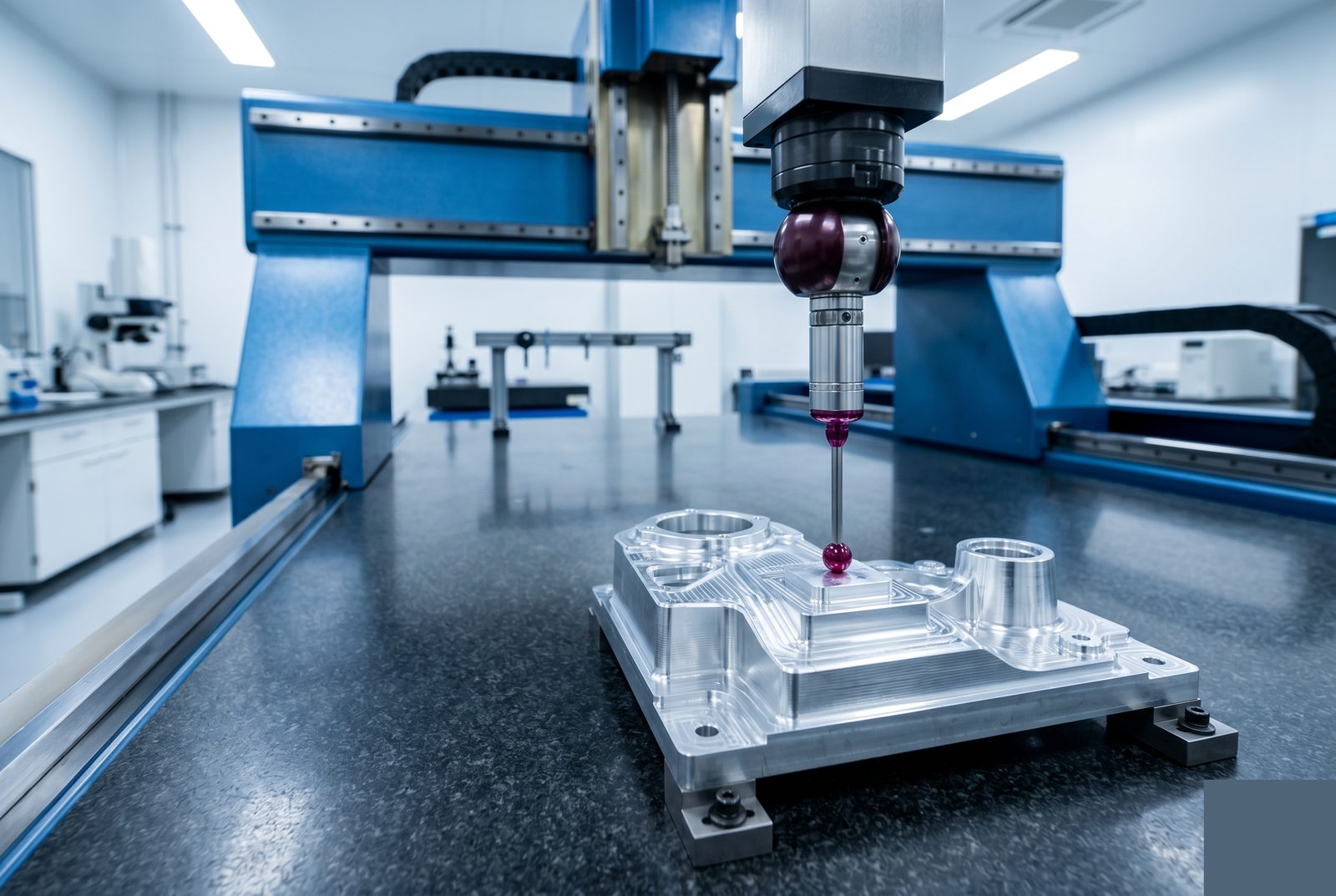
Reverse engineering, drawing reconstruction, design optimisation and material substitution for obsolete parts, lost drawings and designs that cost too much to make. You get a clean STEP model and a fully dimensioned 2D drawing, and parts if you need them.
Services
The scope depends on what you have and what you need. These are the most common approaches.
Reverse Engineering
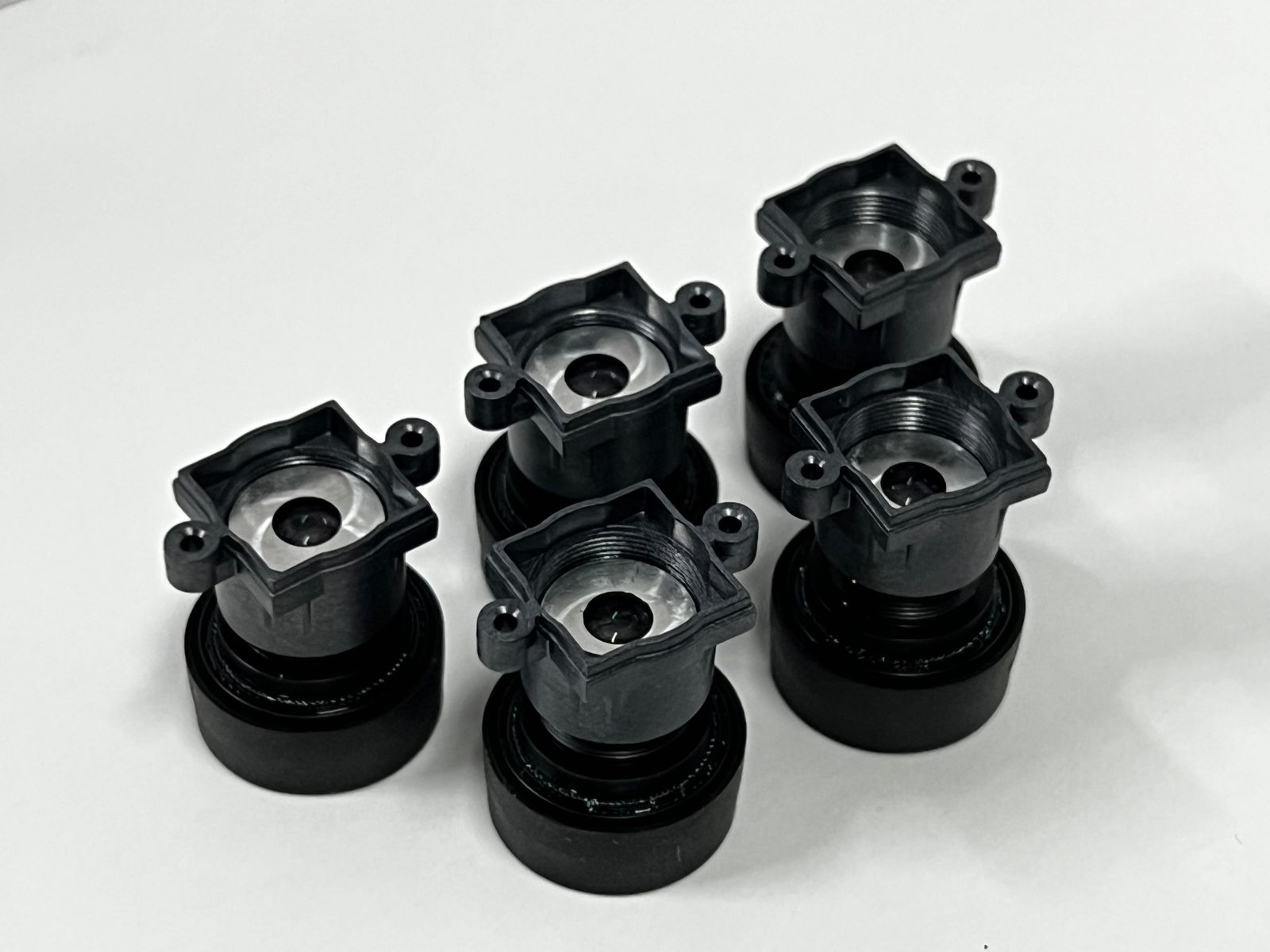
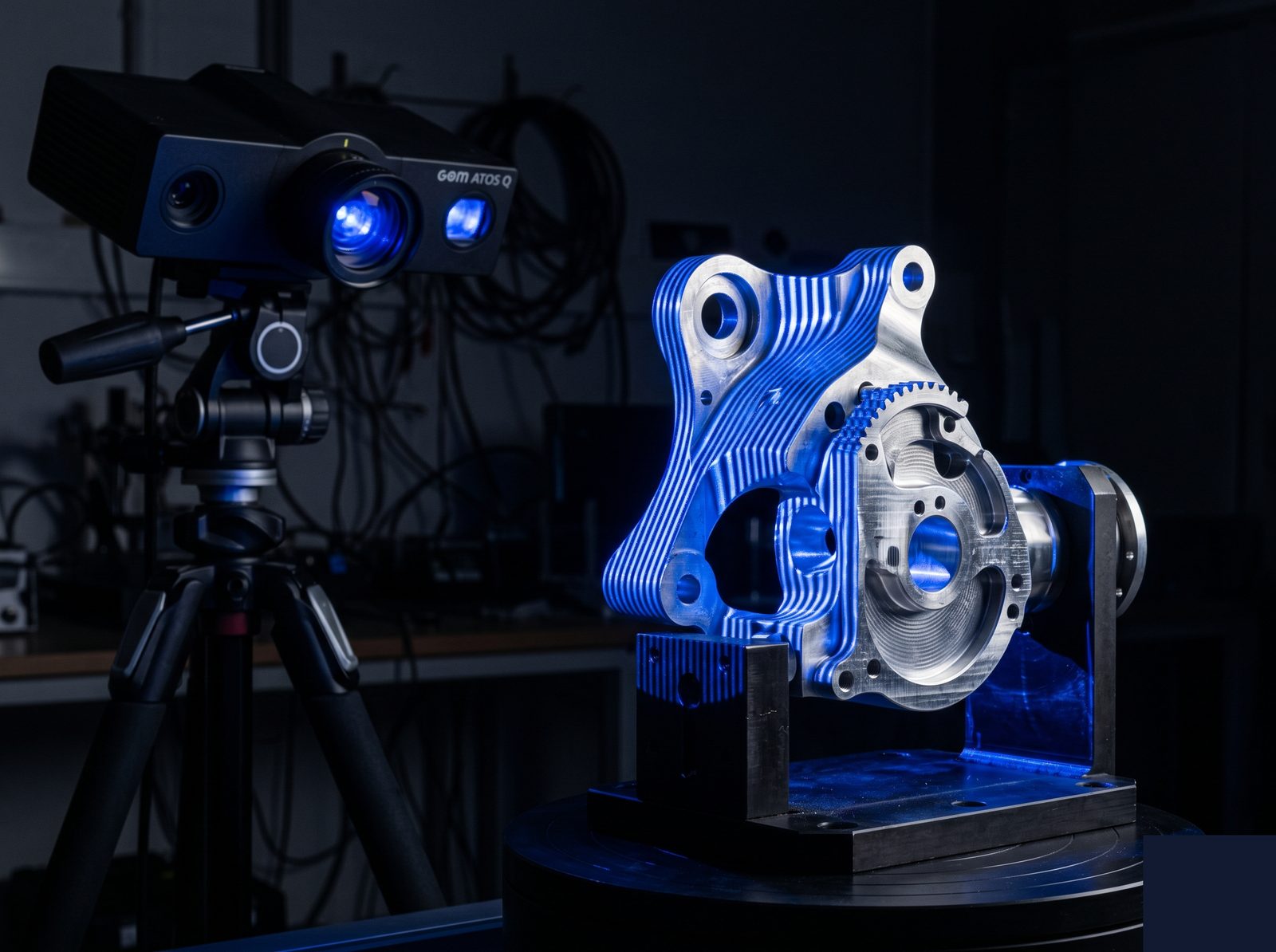
From a physical sample, damaged part or photo, engineers measure the critical features, identify the material and build a manufacturing-ready 3D model and 2D drawing you can send to any manufacturer.
Design Optimisation
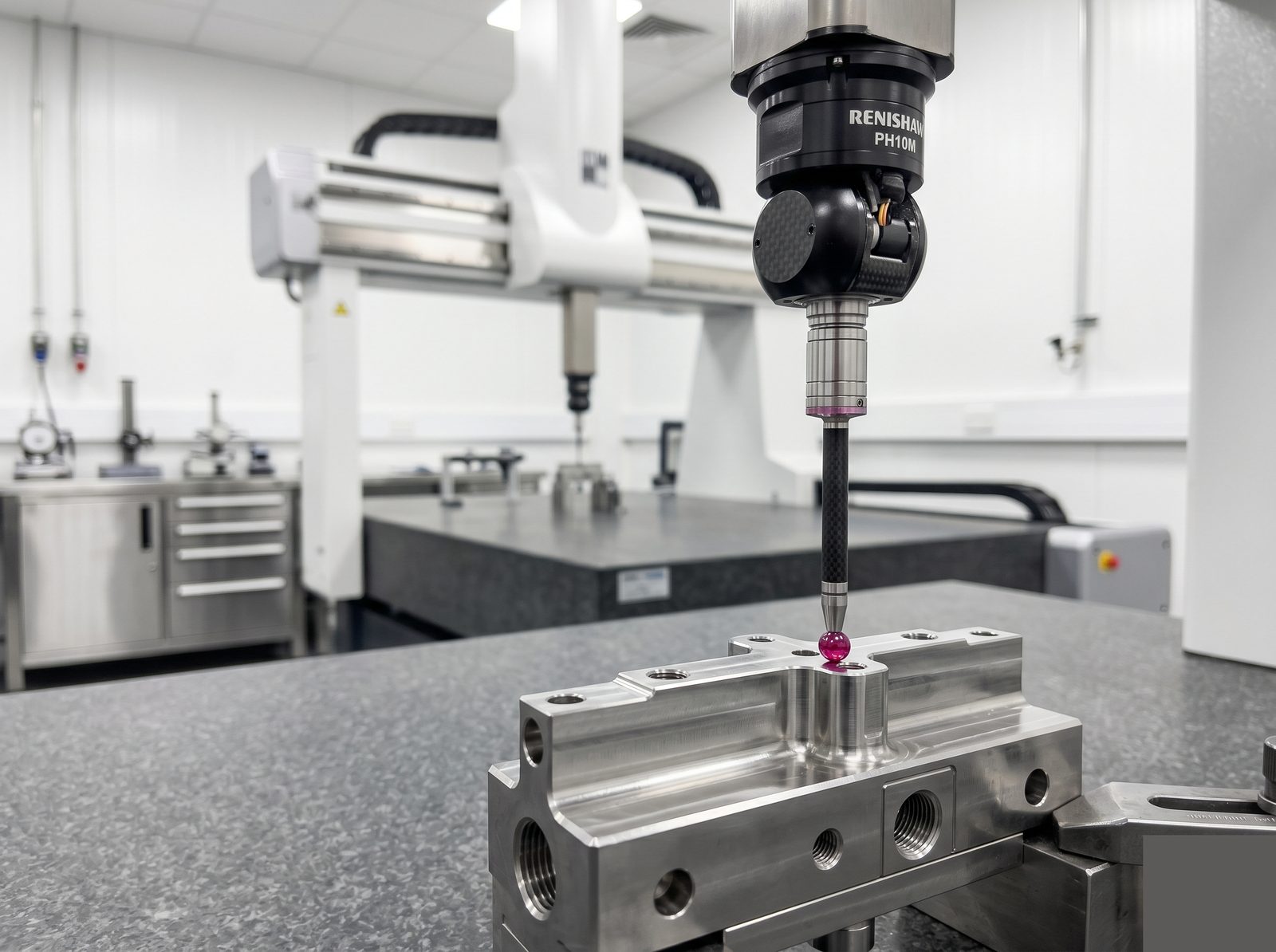
From an existing drawing or model, engineers look for cost, lead time or quality gains. They simplify geometry, rationalise tolerances and cut operations, then deliver an updated design ready for production.
Material Substitution
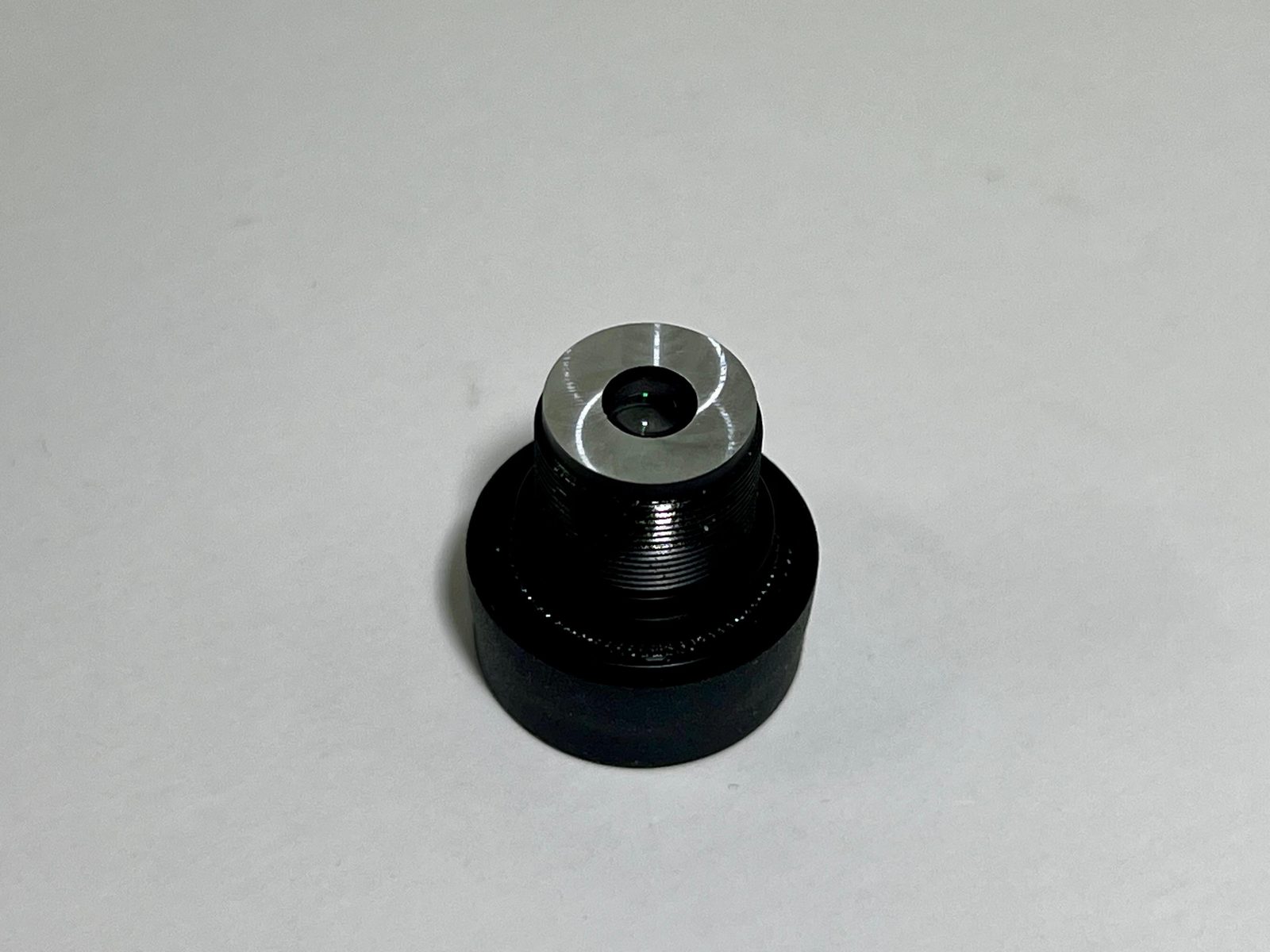
For a part in an obsolete, unavailable or unsuitable material, engineers choose a substitute, review how the design constraints change and update the drawing.
Drawing Reconstruction
From a DXF, scanned drawing or PDF, engineers build a manufacturing-ready 3D STEP model and a clean 2D drawing, with GD&T updated to current standards.
What You Can Send
Partial data is fine. Tell us what you have and an engineer will advise on the approach.
| Starting point | What to send | Notes |
|---|---|---|
| 3D model | STEP or IGES | Also Parasolid, SAT and DXF 3D. Partial or incomplete models are accepted, and missing geometry is reconstructed |
| 2D drawing | DXF, DWG or PDF | Also scanned drawings, hand sketches with dimensions and legacy format files, which are digitised and reconstructed |
| Physical part | The sample | Damaged parts included. Critical features are typically measured to ±0.05 to 0.1 mm |
| Photos | Photos with dimensions | Photographs with dimensional callouts, or scanned images of old drawings |
| Description | The problem | What the part does, why it needs re-engineering and the outcome you need |
Specifications
Complex assemblies are reviewed with you before you commit to any work.
What You Receive
The model and drawing come with every engagement. Additional documentation is available on request.
3D Model
STEP or IGES with native geometry rather than a converted mesh. Editable in your CAD tool and ready to send to any manufacturer.
2D Drawing
Fully dimensioned, with tolerances, GD&T, material callout and surface finish. ISO or ASME Y14.5, or your own drawing block.
DFM Report and Change Notes
For optimisation and material substitution: what changed, why, and the effect on function, cost or lead time. You approve it before manufacturing starts.
Parts and Documentation
If we manufacture: certificate of conformance and dimensional inspection report, with MTRs on request. Design files and parts come in one handover pack.
From Assessment to Delivery
Engineering comes first and manufacturing is optional. Nothing is made until you have reviewed the model and drawing.
Tell Us What You Have
Send a physical sample, PDF drawing, DXF, partial STEP or a description of the problem. Say what the part does, why it needs re-engineering and the outcome you need.
Assessment and Scoping
Engineers confirm feasibility and propose a scope: what can be reconstructed, what they recommend changing and what the deliverables will be. There is no commitment to manufacture at this stage.
Confirm Scope and Quote
A fixed-price quote covers engineering, plus manufacturing if you need it. Confirm the scope, deliverable format, drawing standard and any constraints.
Reconstruct, Model, Review, Approve
Engineers reverse engineer, redesign or substitute as scoped. You review the model and drawing and approve the changes in the DFM report before manufacturing begins.
Manufacture, Inspect, Deliver
Parts are made from the approved design, with a certificate of conformance and inspection report on every order. Design files and parts arrive in one handover pack.
What Ships with Manufactured Parts
- Certificate of conformanceEvery manufactured order
- Inspection reportEvery manufactured order
- Material test reportsOn request
- Design files and partsOne handover pack
Start with What You Have
Say what the part does, why it needs re-engineering and the outcome you need.
Upload Files for a QuoteFrequently Asked Questions
If your question is not here, an engineer can answer it directly.
What is re-engineering and when do I need it?
Re-engineering rebuilds a part's design from a physical sample, obsolete drawing or incomplete data, and can then optimise it for modern manufacturing, better materials or better performance. You need it when the original manufacturer is no longer available, the drawing is missing or in a legacy format, you want the part cheaper or better, or you are moving from a custom part to a standard manufactured component.
Can you reverse engineer a part from a physical sample?
Yes. For parts without drawings we build a 3D model from the sample using dimensional inspection and, where needed, coordinate measurement. You get a manufacturing-ready STEP model and an updated 2D drawing. Accuracy on critical features is typically ±0.05 to 0.1 mm, depending on the part's condition and geometry.
What file formats can you work with?
STEP, IGES, DXF, DWG, Parasolid and PDF drawings, as well as physical samples, scanned images of old drawings and photographs with dimensional callouts. The output is always a clean STEP model with a dimensioned 2D drawing in your preferred format.
Can you redesign a part to reduce manufacturing cost?
Yes, and it is one of the most common requests. The review looks for features that add cost without adding function, such as overly tight tolerances, unnecessary undercuts and multi-axis features that could be simplified. We propose a revised design with the same intent at lower cost or shorter lead time, and send you the changes to review before committing to the redesign.
Can you substitute materials in an existing design?
Yes. Common reasons are replacing an obsolete alloy, moving from expensive to more available materials, improving corrosion or wear resistance, and reducing weight. We review the original design intent, identify constraints on the new material, update the drawing and model, and flag any design changes the new material needs.
What documentation comes with a re-engineered part?
A clean STEP or IGES model and a fully dimensioned 2D drawing with GD&T. When the design or material changes, a DFM report notes each change and the reason for it. Manufactured parts come with a certificate of conformance and an inspection report, and material test reports are available on request. All files are delivered in your preferred format.
Re-engineer a Part
Factorem has made parts for 300+ engineering teams, with 98% of orders delivered on time and 99% of parts accepted.
