
3D Printing
Parts printed by FDM, SLA, SLS, MJF or DMLS in nylon, resin, engineering filaments, stainless steel, titanium and aluminium. An engineer recommends the process within 24 hours, and post-processing meets your tolerance and finish.
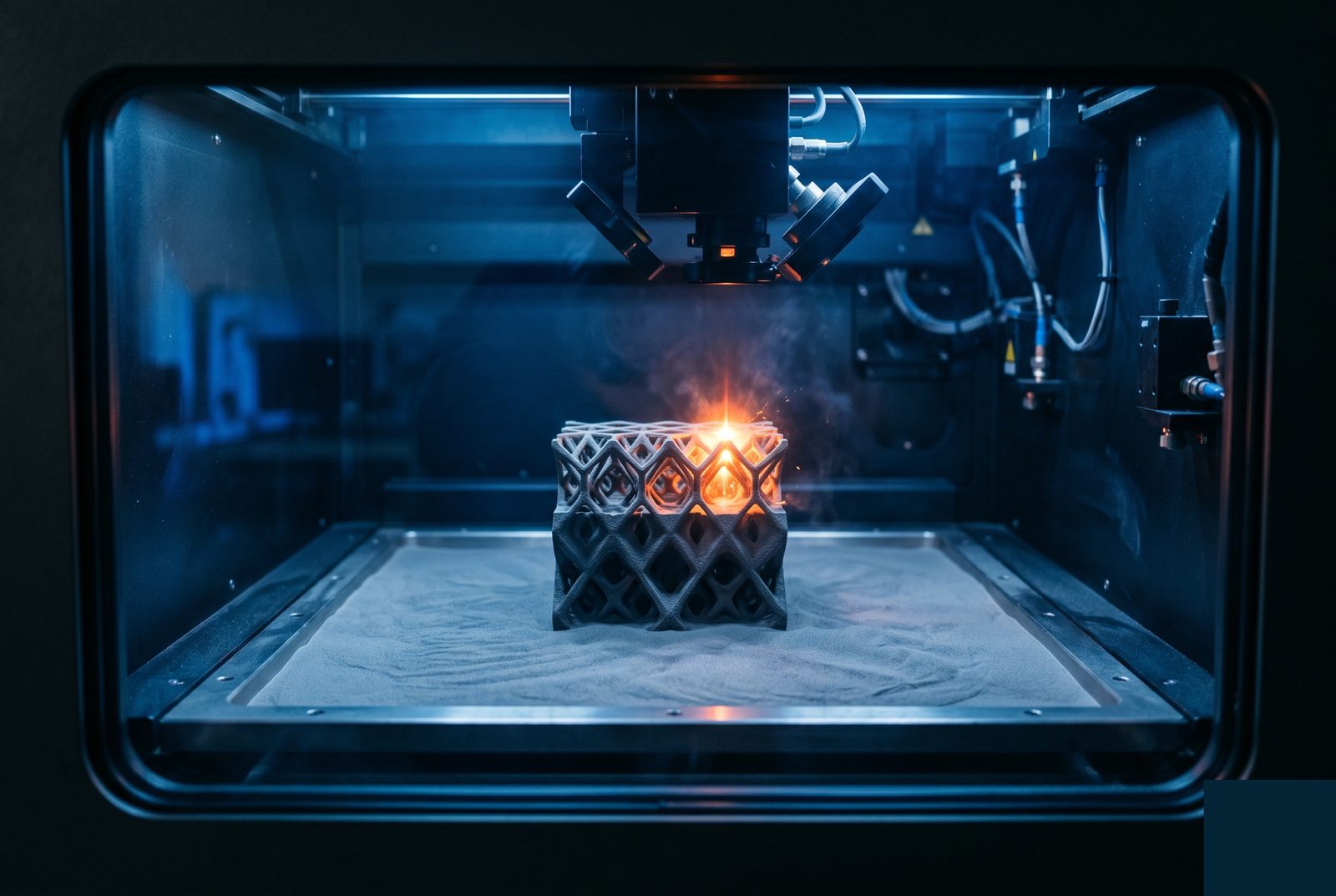
Processes
Many parts suit more than one process. If you are not sure which fits, send the file and an engineer will recommend one.
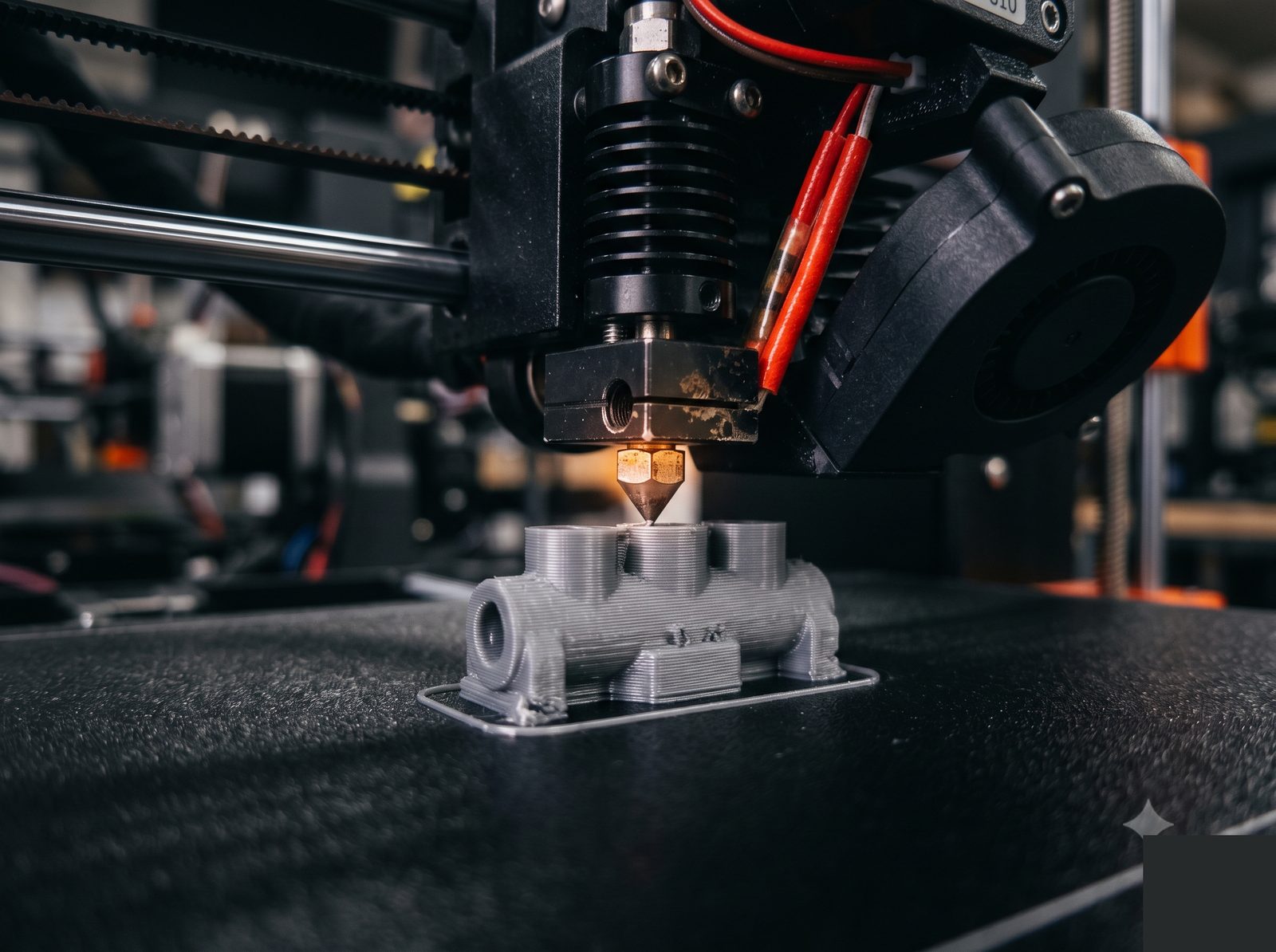
Fused Deposition Modelling
Extruded filament. The fastest and lowest-cost process, with materials from standard PLA up to engineering-grade PEEK.

Stereolithography
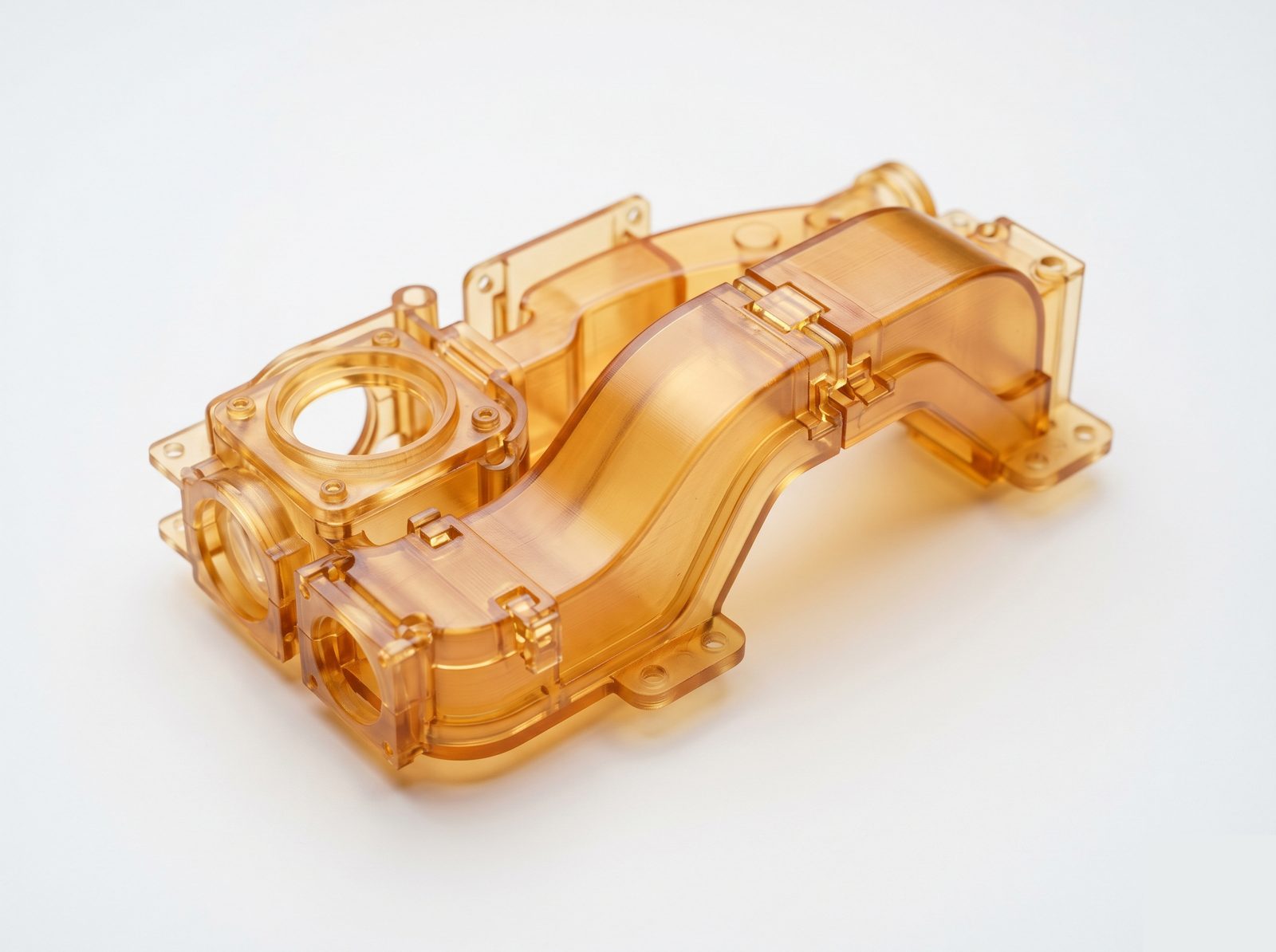
UV-cured photopolymer resin. Smooth surface finish and fine feature resolution, for visual prototypes, optical covers and parts where surface quality matters.
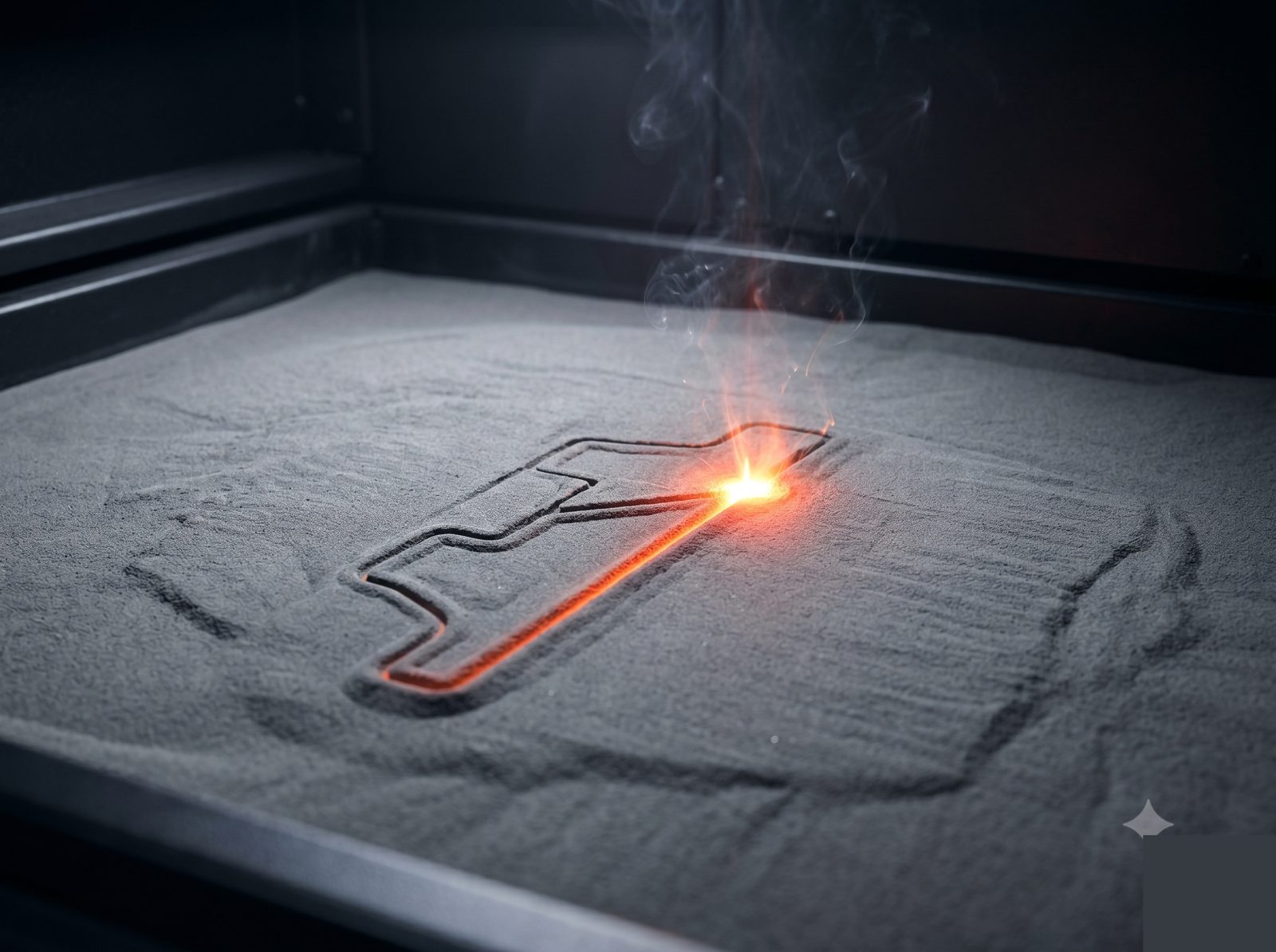
Selective Laser Sintering
Laser-sintered nylon powder with no support structures. Makes internal channels, lattices and snap-fit assemblies that cannot be molded or machined.
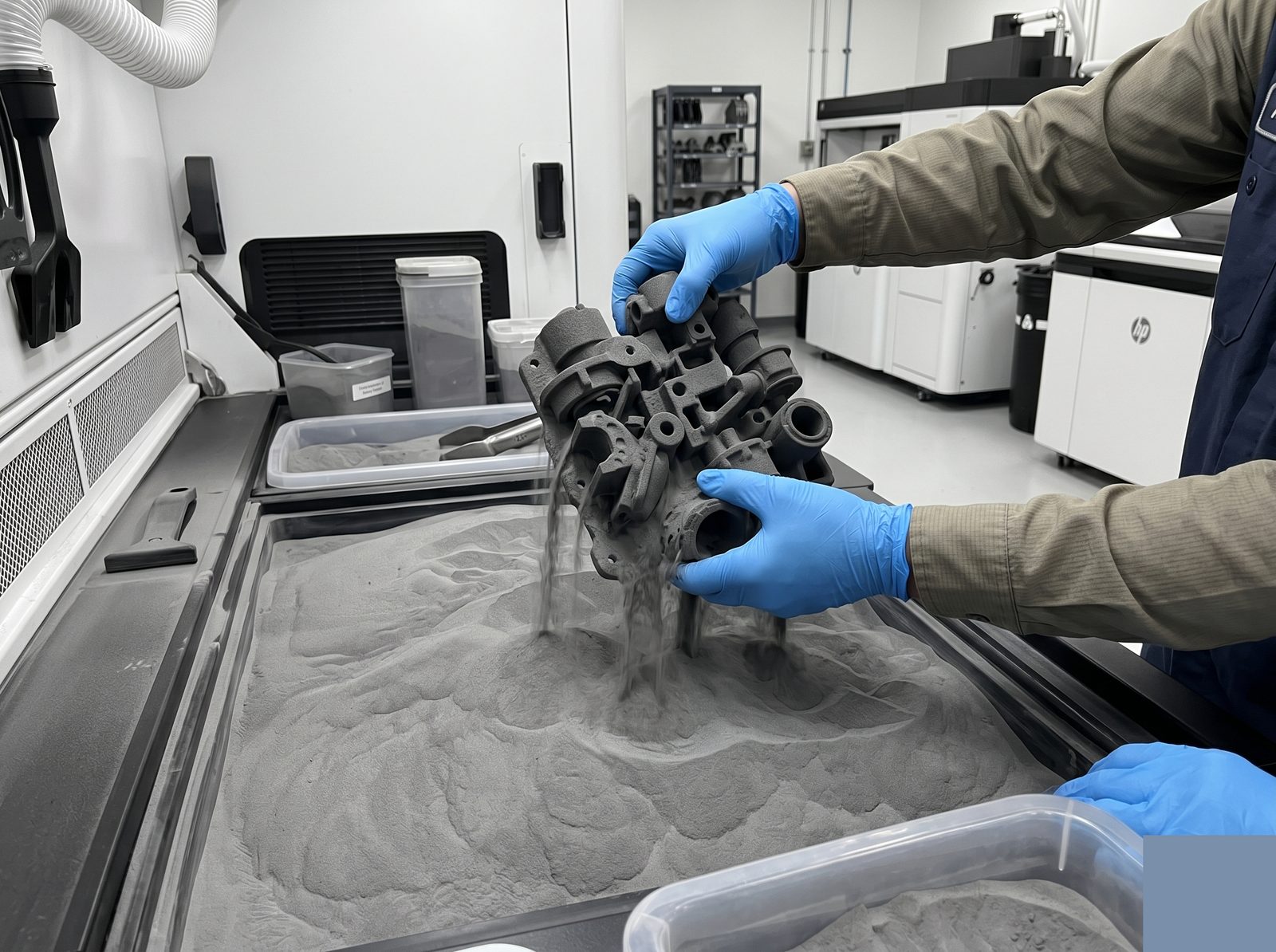
Multi Jet Fusion
HP industrial powder bed process. Dense, fine-grained PA12 parts with a better surface finish and more isotropic mechanical properties than SLS.
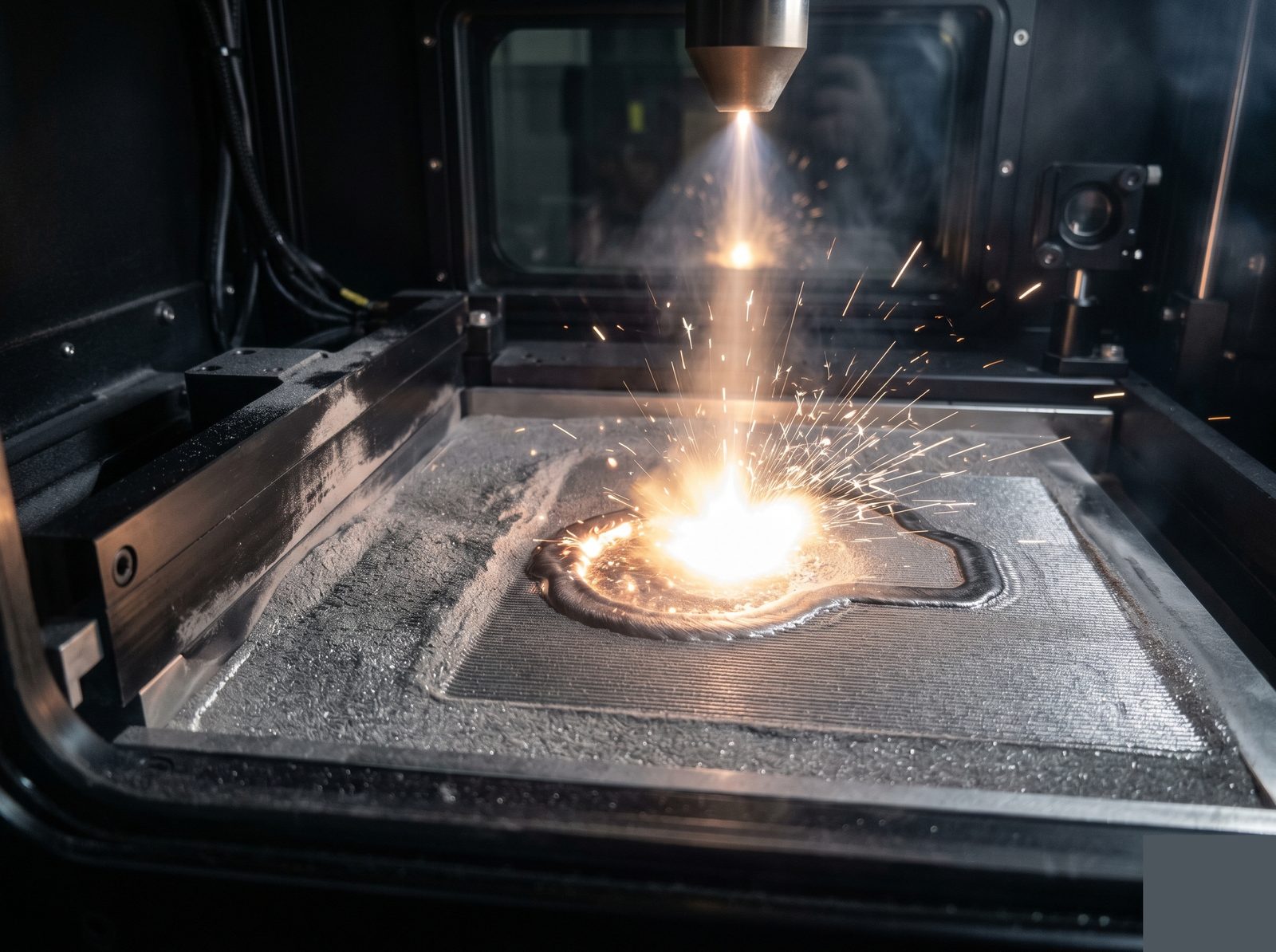
Metal Powder Bed Fusion
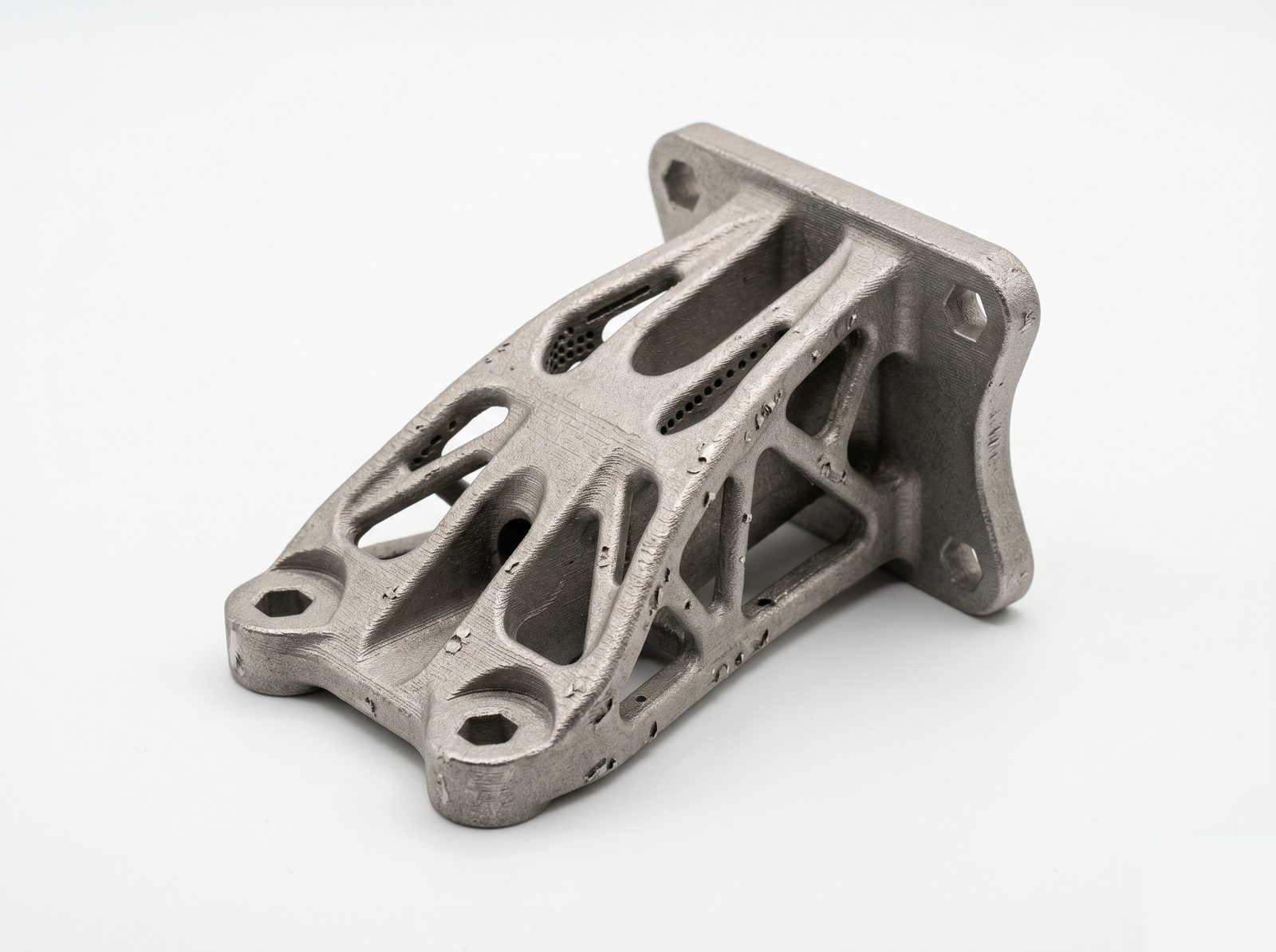
Laser-melted metal powder for fully dense metal parts. Suits internal channels, topology-optimised structures and geometry that is hard or impossible to machine.
Not Sure, or Need Something Else?
The supplier network also covers PolyJet, binder jetting and directed energy deposition. Tell us the application and requirements, and an engineer will recommend an approach.
Materials
Common grades for each process. Specific grades and proprietary resins are available on request, so tell us the application.
Standard and Engineering Resins
General-purpose, rigid, flexible and high-temperature resins, plus castable wax resins for investment casting patterns.
Nylon PA12, PA11 and TPU
PA12 for structural functional parts. PA11 for higher impact resistance and flexibility. TPU for flexible parts that deform under load.
PLA, ABS, PETG, ASA and PEEK
Standard filaments through to PEEK for chemically resistant or high-temperature parts. Carbon-fibre filled variants are available.
Stainless Steel 316L
Austenitic stainless steel. Corrosion resistant, vacuum compatible and biocompatible, with density above 99% after printing. Critical features are CNC machined after the print.
Titanium Ti-6Al-4V
High strength to weight, biocompatible and low CTE. Suited to topology-optimised aerospace structures that are impractical to machine.
Aluminium AlSi10Mg
Aluminium-silicon-magnesium alloy. Light, with good thermal conductivity, for heat sinks and structurally optimised enclosures with internal channels.
Other alloys and polymers are available through the network, including Inconel, copper, tool steel, cobalt chrome and specialist polymers.
Design Rules
Guidance rather than fixed limits. If you are not sure a lattice, overhang or other feature will print, send the file and an engineer will advise.
Wall Thickness
Keep walls at or above the process minimum: 0.4 mm for DMLS, 0.5 mm for SLA, 0.7 mm for SLS and MJF, and 1.2 mm (two perimeters) for FDM.
Thinner walls without flagging them in your brief. They are sometimes possible but risk failing or warping.
Build Orientation
Tell us the main load direction and which faces are cosmetic, and the part will be oriented to suit.
Assuming a print is equally strong in every direction. All additive processes are anisotropic, and parts are weaker in Z, the layer direction, than in X and Y.
Tight Tolerances
Add 0.3 to 0.5 mm of stock to interface bores, sealing faces and threads that need tighter than ±0.1 mm, so they can be CNC machined after printing.
Modelling those surfaces at final size, which leaves no stock to machine. Print the geometry and machine the interfaces.
Overhangs on Metal Prints
DMLS and SLM need supports on overhangs more than 45° from vertical. Design those supports to be removable, with access ports to reach them.
Supports that cannot be reached after printing. Expect a rougher finish where supports attach on interior surfaces.
Post-processing
Post-processing is part of the fixed-price quote. Confirm the finish spec and which critical features need post-machining when you order.
Surface Finishing
Support removal, then sanding, polishing, media blast or painting. Plating or anodizing where the substrate is compatible.
CNC Post-machining
Interface bores, sealing faces and threads are machined after printing. Critical features are often post-machined to ±0.01 to 0.05 mm.
Heat Treatment for Metal Prints
Metal prints go through stress relief. HIP (hot isostatic pressing) is available on request, through the supplier network.
From Upload to Delivery
You do not need to choose a process before you upload. The DFM review recommends one, or confirms yours, within 24 hours.

Upload Your File
Send STEP, IGES or STL with the material, finish, tolerance callouts, quantity and any process preference. Not sure of the process? Describe the application instead.

Process Selection and Quote
An engineer reviews the geometry, selects the process or confirms yours, flags printability concerns, and advises on build orientation and post-processing. You get a fixed price that includes post-processing. Confirm the material, finish spec and any post-machining of critical features.
Print and Post-Process
Parts are printed, supports removed and post-processed to spec. Metal prints are stress relieved, and HIP treated where specified.

Inspection
Critical dimensions are inspected, with a dimensional inspection report for critical features.
Documentation and Delivery
A certificate of conformance on every order. Material data sheets, and density certification for metal prints, on request.
What Ships with the Parts
- Certificate of conformanceEvery order
- Dimensional inspection reportCritical features
- Material data sheetsOn request
- Density certificationMetal prints, on request
Start with Your CAD File
Add the material, finish, tolerance callouts and quantity. Not sure of the process? Describe the application instead.
Upload CAD for a QuoteIndustries
Printed parts are often prototypes ahead of CNC production, or geometry that cannot be machined. They also go into medical devices, semiconductor equipment and industrial automation.
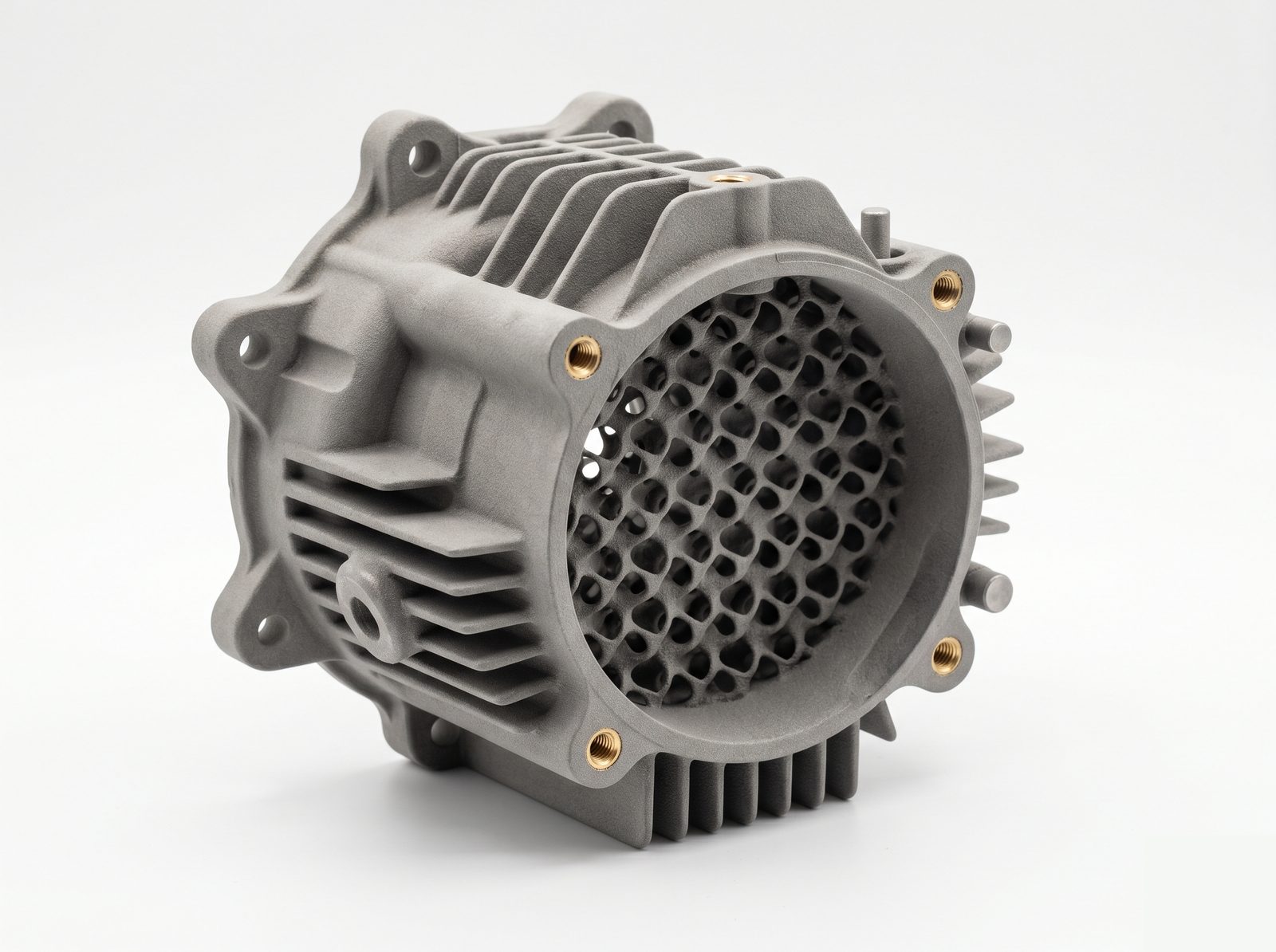
From Our Build Plate
Printed parts photographed after post-processing.
Frequently Asked Questions
If your question is not here, an engineer can answer it directly.
What additive manufacturing processes do you offer?
Five: FDM (fused deposition modelling), SLA (stereolithography), SLS (selective laser sintering), MJF (multi jet fusion) and DMLS/SLM (metal powder bed fusion). The right one depends on material, tolerance, part size and whether the part is a prototype or for production. The DFM review recommends one for your part.
What tolerances can you achieve with 3D printing?
It depends on the process. SLA typically holds ±0.1 mm. SLS, MJF and DMLS hold ±0.1 to 0.2 mm as printed, and critical features are often post-machined to ±0.01 to 0.05 mm. FDM holds ±0.2 to 0.5 mm and suits non-critical features. Put tight requirements in your brief and we will specify the right process or a hybrid route.
Can you 3D print in metal?
Yes. DMLS/SLM prints SS 316L, Ti-6Al-4V, AlSi10Mg and other alloys on request. It suits internal channels, topology-optimised structures and geometry that is hard or impossible to machine, and is often combined with CNC machining of critical features after printing.
When should I use 3D printing instead of CNC machining?
Print for internal channels or lattices that cannot be machined, fast prototype iterations, low volumes where tooling would cost too much, and topology-optimised lightweight structures. Machine for tolerances of ±0.01 mm or better, high volumes, demanding surface finishes and materials not available for printing. Many programs do both: print the geometry, machine the interfaces.
Do you offer post-processing for 3D printed parts?
Yes. Support removal, sanding, polishing, media blast, painting, CNC post-machining of critical features, and plating or anodizing where the substrate is compatible. Metal prints are stress relieved, and HIP (hot isostatic pressing) is available on request through the supplier network.
What file formats do you accept?
STEP, IGES and STL. STEP is strongly preferred for metal printing because it keeps accurate geometry for post-machining reference, while STL tessellation errors can cause print artifacts. If you only have STL, it is inspected in the DFM review. With no CAD file, describe the part and we can discuss reverse engineering or design support.
Price a 3D Printed Part
Factorem has made parts for 300+ engineering teams, with 98% of orders delivered on time and 99% of parts accepted.
